Blog


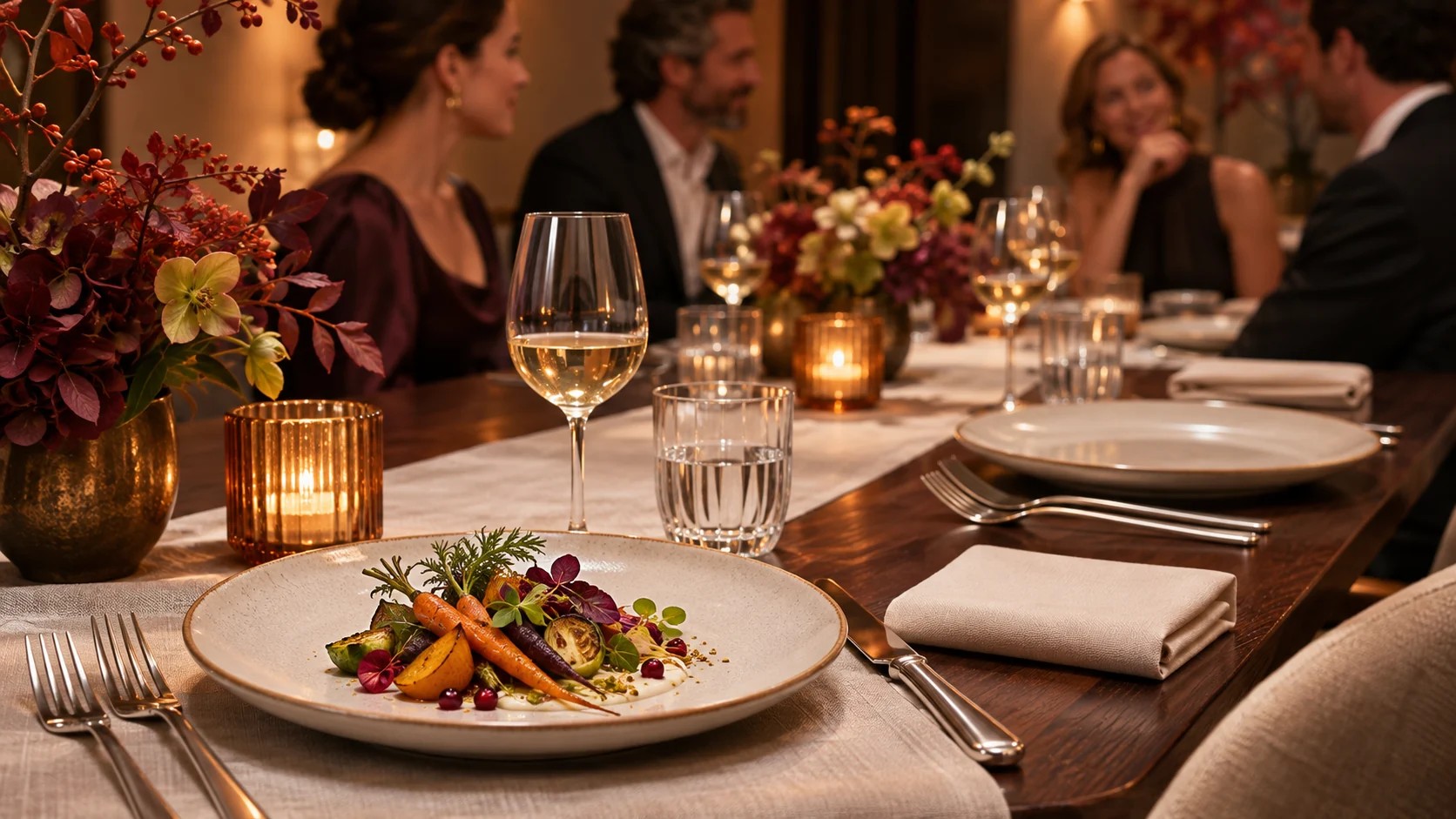
Set the pace for a chef-led tasting dinner in Dubai. Plan course cues, dietary plates and the route between the kitchen and your guests.
Dinner can get away from a host at the exact moment it seems ready to begin. Two guests are still at the door, the chef has a warm first plate ready to leave the pass, and someone near the table is searching for the person who can confirm the guests are seated. The next course starts to take shape in those few minutes. When the host and the kitchen agree on who calls that first plate, guests can take their places in peace and the food arrives as the chef intended.
Choose one person to speak for the table so the chef can hear a decision instead of several reports from different parts of the venue. Your host can greet late arrivals, and the person in charge of table service can tell the chef when the seated guests are ready. Write the first cue as an action: the service lead counts the seated guests and calls the first plates. The start time belongs on the schedule as an estimate, and the cue tells everyone what to do when the estimate slips.
Decide how much arrival time your dinner can absorb and discuss the point at which you prefer to start with the guests already seated. Someone arriving after the first course may join the table for the next one, or the chef might agree on a separate plate if the dish suits it. Agree on that choice in advance so a server can welcome the guest and describe what comes next as part of the evening.
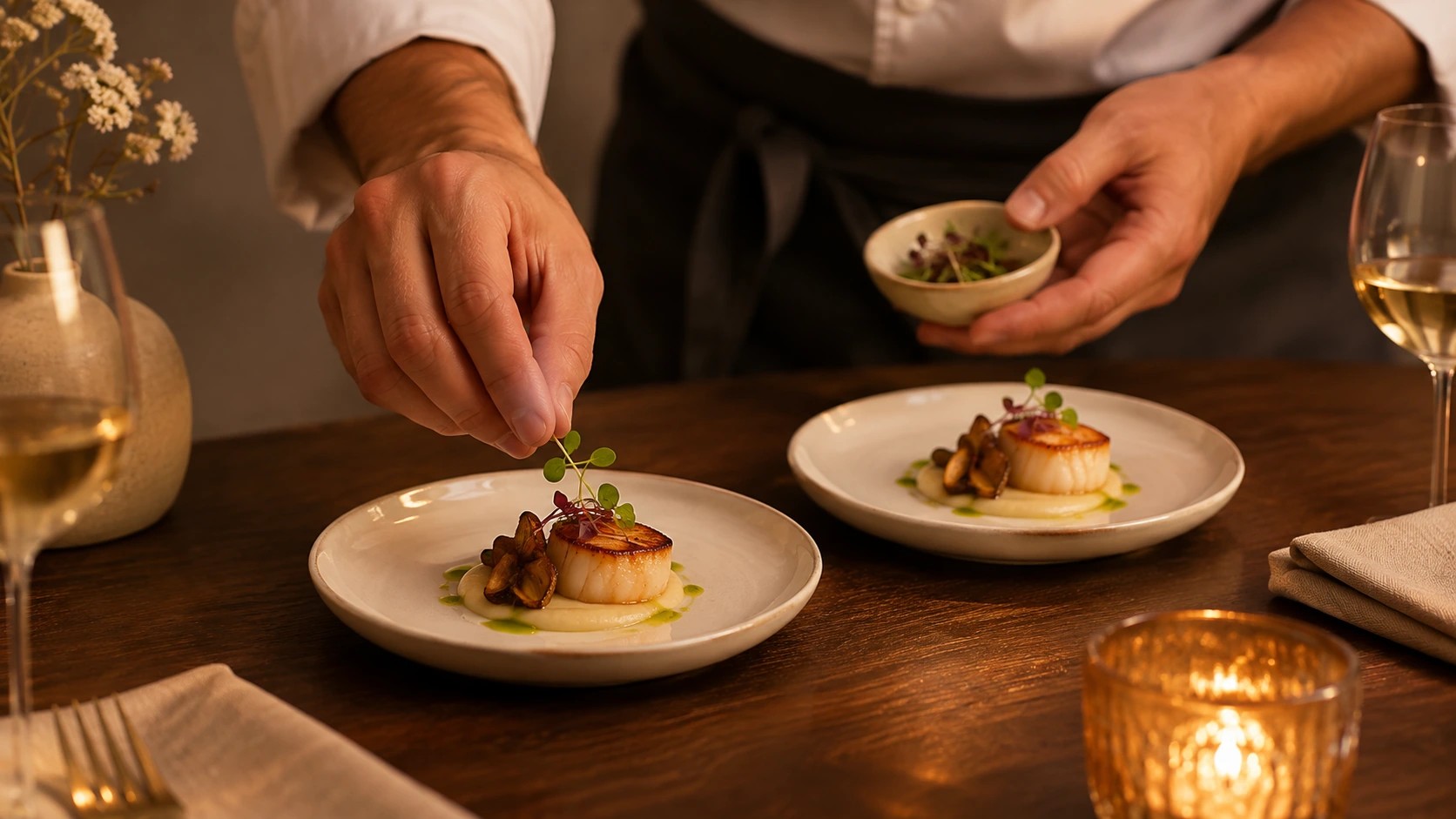
The menu tells you much of what you need to know since one course may be ready on the pass in a matter of seconds and the next may need a hot finish at the last moment. Ask the chef which dishes have a useful pause between preparation and plating, then put any planned address in a gap the kitchen can work with. The chef can often explain the pace better in terms of what happens to the food during a pause than through an average number of minutes.
Dinner progresses at the rate guests can enjoy it, and a schedule can account for the time staff need to place and collect plates. For an eight-person table, the service lead can observe progress from one position. For two tables, one might be ready several minutes ahead of the other. Let the chef know whether you want both tables to begin the next course together or prefer a wave of plates for one table followed by the other. Either choice affects how much food the kitchen finishes at once.
Pick the course the chef wants to introduce and decide whether the explanation happens as plates arrive or once everyone has theirs. The introduction can connect a dish to the menu, especially if the chef can point to something the guests already see. Ask for one useful detail: the reason for a particular ingredient or the way the course relates to the dish that preceded it. Guests often get enough context in the length of a quick conversation.
Speeches change the table’s pace, so save the longer remarks for a course interval the kitchen lead has already approved. The person with the microphone and the service lead can agree on a small gesture to signal when the table is ready. Plan for the sound to settle ahead of the speech. Once it ends, let the service lead check whether glasses need attention ahead of the next course.
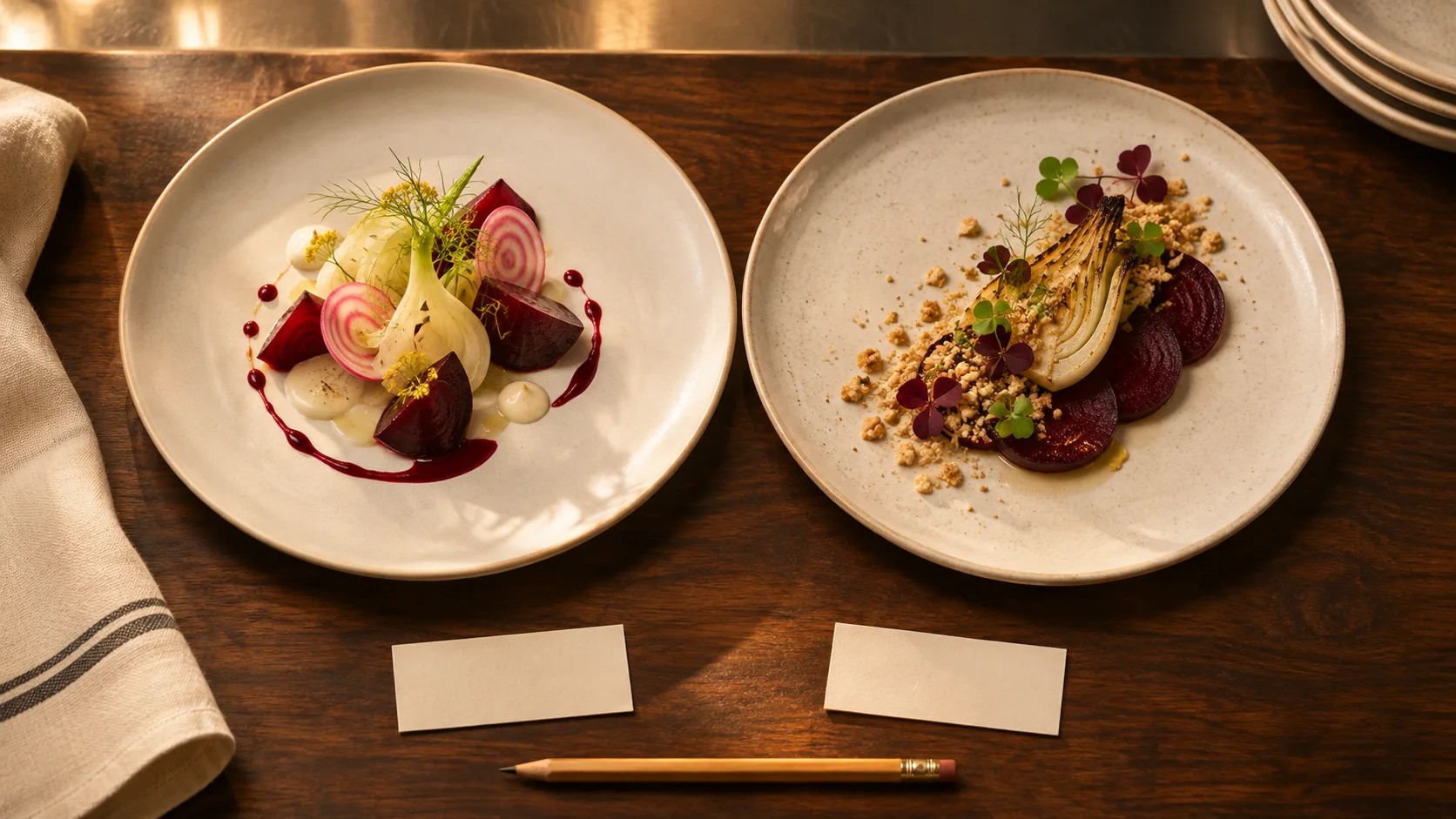
Seat numbers are useful when two plates look almost identical and one guest needs a different preparation. Ask the chef or food team to confirm the ingredient request in advance and tell the service lead which meal belongs to which seat. Keep the details where the food team can consult them, and ask the host to tell a guest privately if the kitchen needs to clarify an allergy. Menu cards can describe the dishes while individual conversations address the details that affect a guest’s choice.
Someone may choose a different seat after arriving, and the service lead needs one copy of the seating plan that follows the person who changed seats. Tell the chef the updated seat number, and ask the server to check the guest’s name in a low voice as the plate arrives. The event’s food provider can check Dubai Municipality’s guidance for food businesses and confirm the requirements applicable to your proposed menu. Hosts can ask how the team handles cross-contact and what it can confidently prepare for the specific guest.
Draw the actual chairs and access points, then ask someone to trace a complete trip between the pass and the far end of the table. The route should still work once guests have pulled back their chairs and set down bags. On paper, a pretty table can look finished even when the two people carrying hot plates have to pass through a narrow gap. You can save that route for the food team and ask the host to seat arriving guests using a separate path where the layout permits.
Tableware needs its own conversation when successive courses use different plates or utensils. Ask what arrives with the chef and what belongs in a separate rental order. Set aside a collection point for used items so a person returning with dishes meets the next runner at a sensible place along the route. If the chef plans to finish a dish near the guests, agree on where that work is done and have the venue confirm the setup in advance.
Pairings and refills use part of the same service window as the food, so settle who pours while the chef works on a course. Guests may prefer to arrive at the table with a drink already poured. People who want different beverages can pick their choices as they take their seats, and staff can make a round once everyone has arrived. Ask the service lead where the glasses rest in the gaps between courses, so used glasses are kept separate from those headed to the table.
Discuss coffee with the chef and table staff when you review dessert if some guests prefer to drink it alongside the last course. Others will want to move away from the table once their plates have been cleared. In an agreed-upon layout, coffee can start a conversation away from the dinner table. Tell the service lead if guests will remain seated so the team can get the cups to the right people.
Decide on a pause the service lead can use when the kitchen needs a few minutes or when a guest has the floor for longer than planned. The lead can tell the host what is happening and ask the chef to hold the next course at the sensible stage for that particular dish. Someone should be able to explain the pause to guests if they ask. The pause can suit dinner when the host knows what to expect.
Build a brief into the dinner setup so both teams can rehearse the moment the next course is called. Use a dry pass to find out how long it takes a server to reach the farthest seat and to check where glasses or dirty plates are returned. The most useful rehearsal observation may be a piece of furniture that narrows access or the location where the host has a limited view of the service lead. Resolve the issue while the space is still empty.
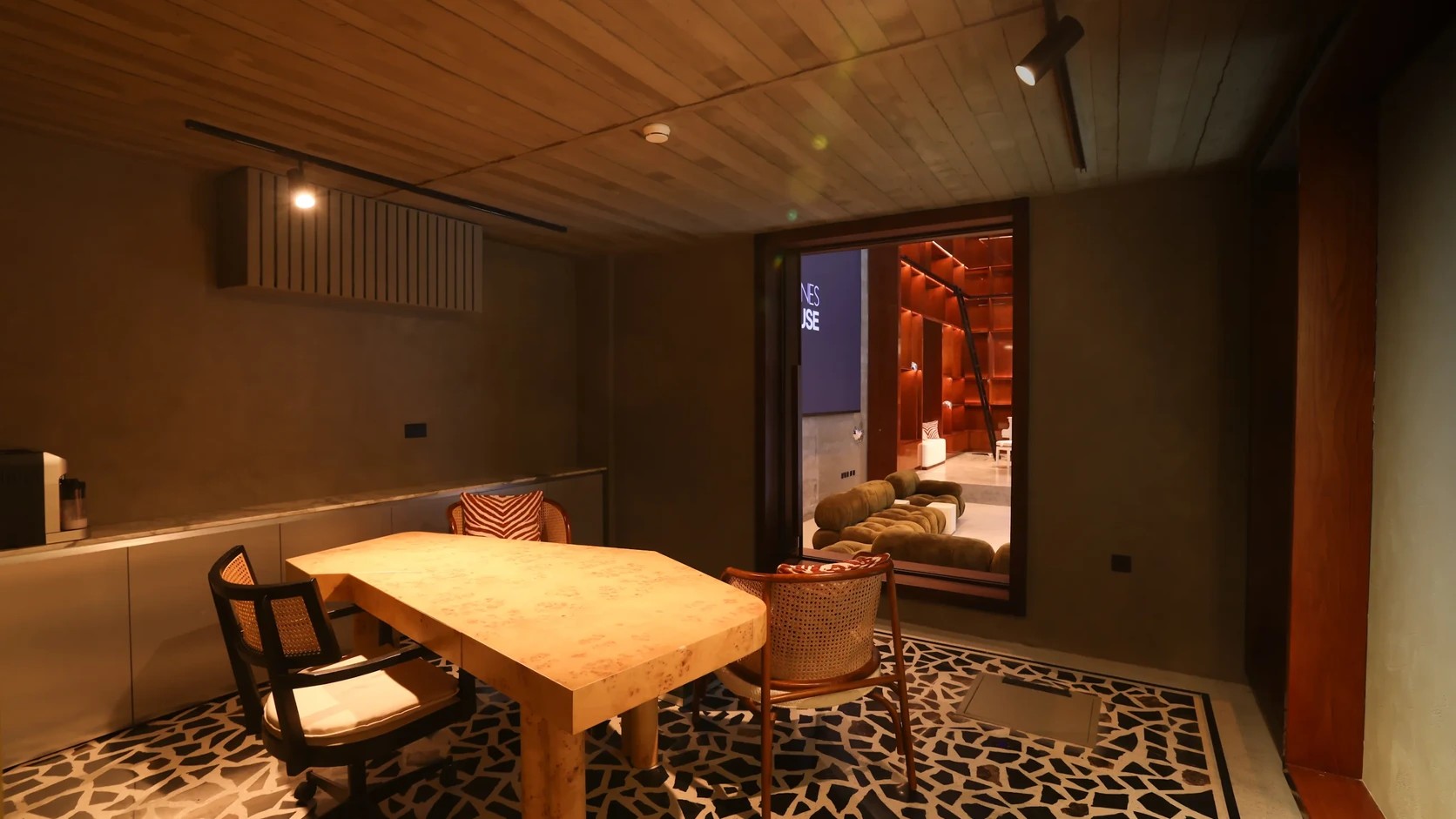
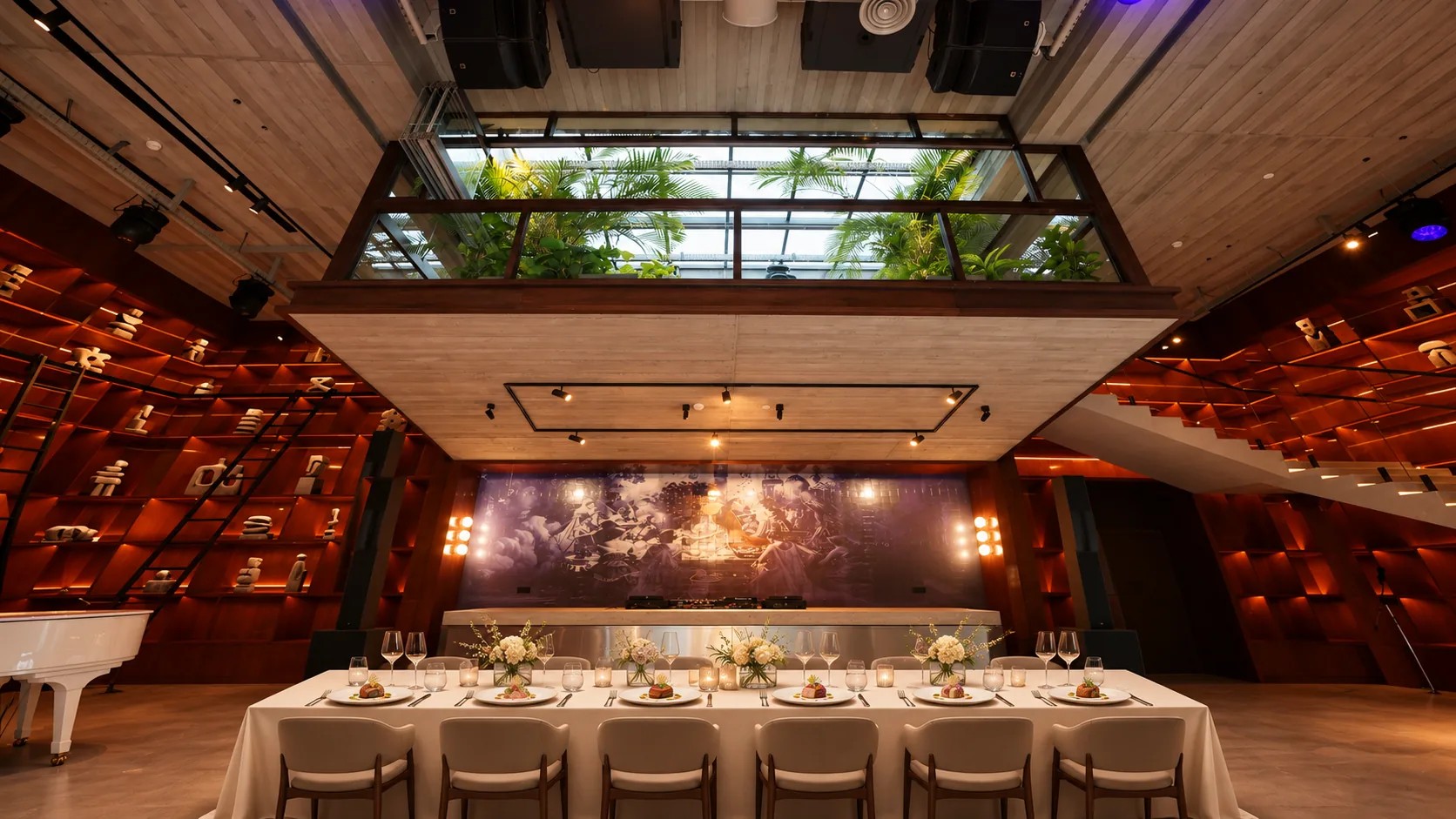
Someone’s House offers private dining in Al Quoz within an exclusive full-day booking, and the venue team can discuss the food arrangements for your dinner request. The House’s private dinner page describes menus planned around the host and the event, with chefs and hosts working together on the evening. The venue’s own account on a private reunion describes the option to discuss working with your own chef. Confirm the arrangement for your event with the venue and food team; the seating layout and scope should be part of that conversation.
Share your proposed guest count and an early menu sketch when you send a private dinner inquiry to Someone’s House. Include any point in the evening when you want the chef to address the table, and say which courses you would like the guests to eat together. The House team can discuss the venue plan for the full-day booking. Your chef can use the same plan to decide where the first course begins and who calls the plates for dessert.