Blog


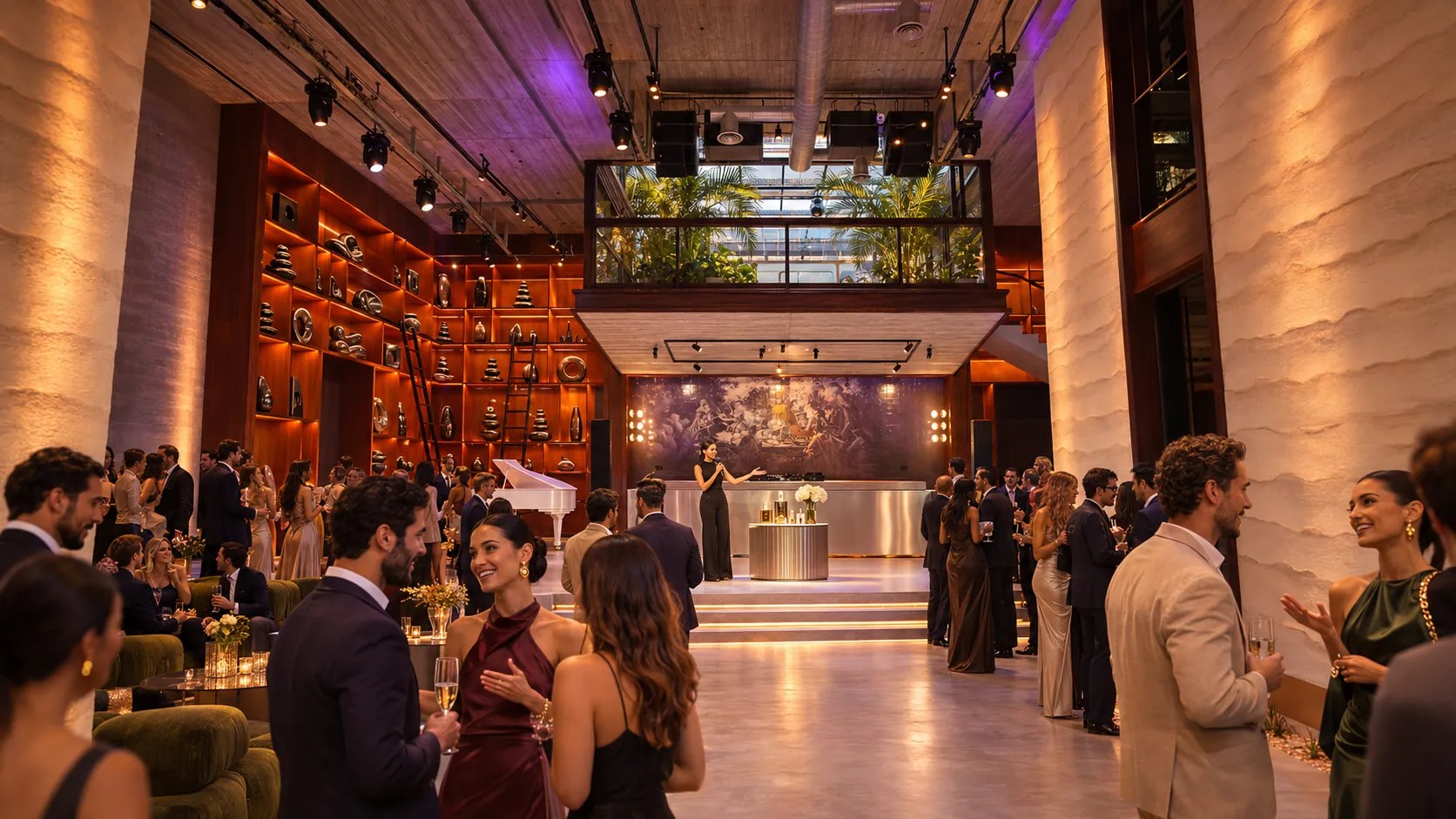
Plan event lighting in Dubai for a private launch or live performance. Review product light and camera rehearsals with the team at Someone's House in Al Quoz.
Guests on a private launch need to see the product's surface as they listen to its creator, and the camera needs to capture that same encounter. Saturated color can look beautiful on a wall yet change a bottle's appearance when it reaches the display table. Professional event lighting in Dubai starts with those specific relationships between the subject and its surroundings. For Someone's House, the plan belongs within the existing interior at Al Khayat Avenue in Al Quoz.
The host's program determines when the lighting needs to change during the evening, particularly when a presentation shares its setting with a live performance. Someone may speak beside a product table and then join the guests for conversation. Musicians may perform in a nearby area after the talk. The event brief describes those movements and the light required at the places people will actually use.
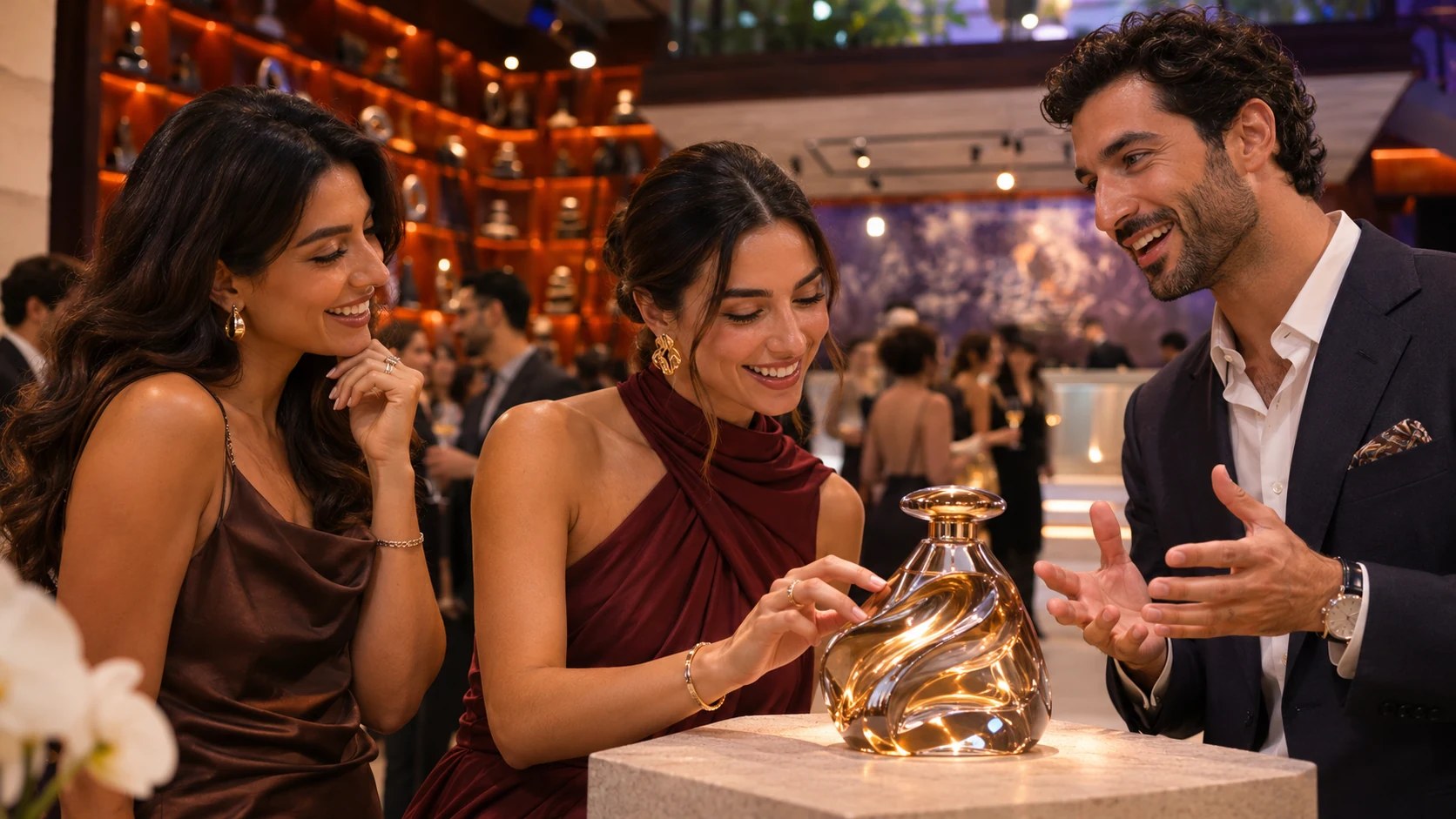
Brand teams can make useful lighting decisions during a site visit by examining the actual product beside the proposed display materials and observing its surface. Glossy packaging may produce a bright glint that conceals small lettering from certain viewing positions. Matte material may need light arriving from an angle to describe its texture. The designer can adjust the direction while the brand's representative judges the object from the guest's position.
For a fragrance launch, warm decorative light can remain on the surrounding interior while a more neutral treatment illuminates the bottle and its label. Guests then see the packaging in a useful light during their conversation with the presenter. Brand approval should use the physical product sample that will appear at the event. Someone's House's fragrance-launch planning article discusses the sampling activity that this lighting arrangement needs to accommodate.
The House publishes its production equipment inventory on the official equipment page, which currently lists 12 Ayrton DIABLO fixtures and 12 NANDO 502 WASH fixtures. Its equipment list records a grandMA3 compact lighting console. Equipment selection for an individual event still requires agreement with the House team, with the operator's responsibilities stated in the proposal. Inventory details support the initial discussion; the team confirms the equipment allocation for the requested program.
Ayrton's NANDO 502 WASH specifications specify a zoom range of 3.5 to 53 degrees, allowing the designer to choose between a concentrated beam and a wider wash. Its RGB-L light sources provide color-mixing options. In the House's interior, the useful question concerns the area the fixture must illuminate at its actual position. The designer can test the chosen coverage against the furniture layout during preparation.
Glass display surfaces should be tested with the camera in its intended position, especially when an overhead fixture appears as a bright shape in the shot. The photographer can try a small angle change while the lighting designer adjusts the light reaching the product. Keep the display arrangement consistent after approval. If the product table moves during preparation, repeat the relevant camera check at its final location.
Speakers often turn toward a colleague or look down at a product during a demonstration, so a lighting rehearsal needs to include those ordinary movements. The presenter should use the agreed speaking position while the technician checks the face from several audience seats. Glasses deserve a specific check for glare. If the demonstration involves handling an object, the test needs to include the hands and the display surface.
The lighting designer can separate facial illumination from the color treatment of the surrounding architecture, thereby creating a branded atmosphere while retaining natural skin tones. Camera staff should review the result on their actual recording equipment. Wardrobe choices can influence the image, especially when a pale jacket appears beside a dark product. Ask the presenter to rehearse in the planned outfit so exposure decisions match the event.
The person operating the lights needs a recognizable signal for a change, particularly when the speaker's pace varies from the rehearsal or a demonstration lasts longer. Cues tied to the host's final introduction can be easier to call than fixed clock times. The producer should write the agreed trigger beside the lighting instruction. In rehearsal, the caller and operator can confirm the language they will use over their communication system.
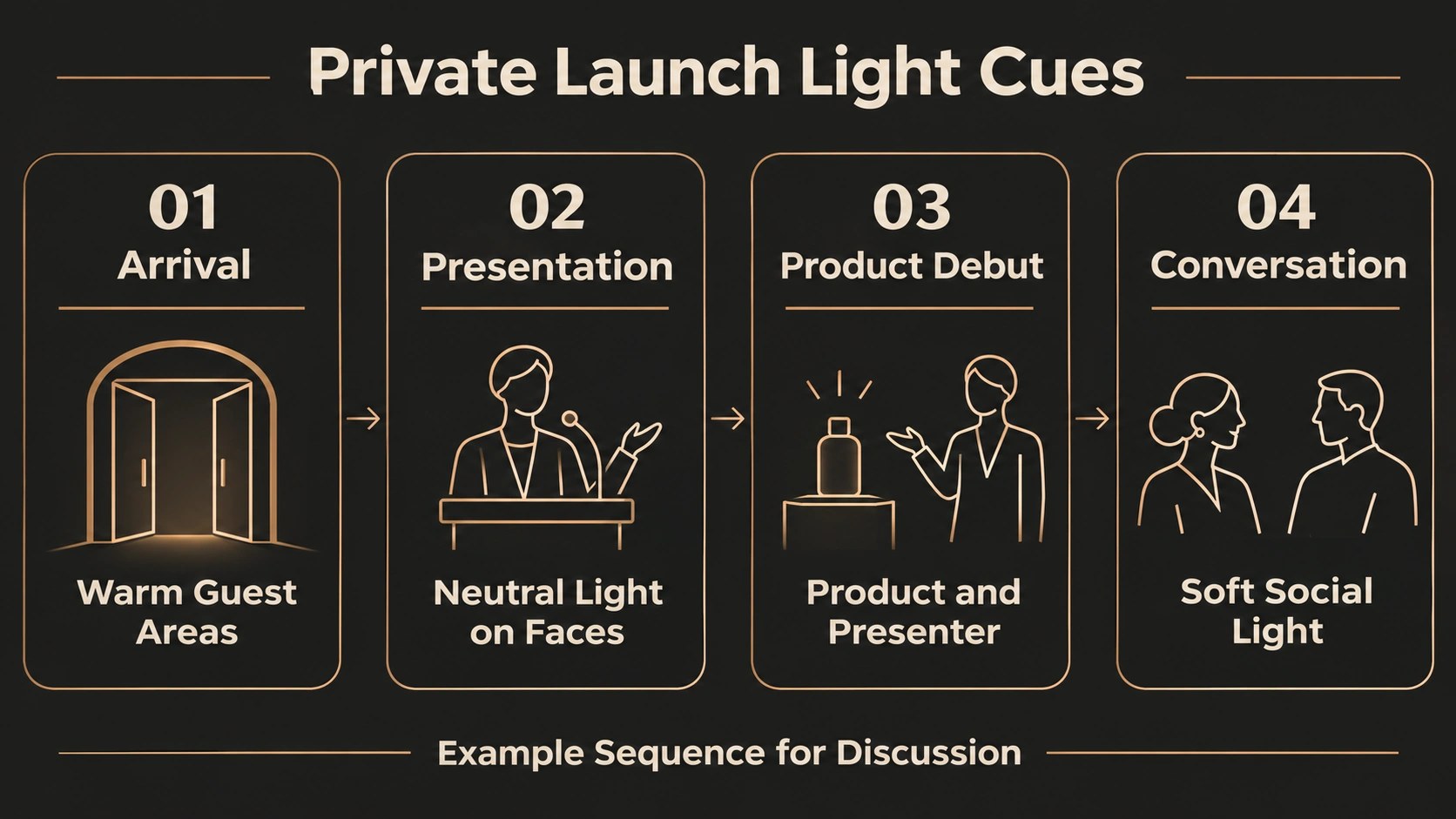
Consider an illustrative launch that begins with warm guest-area lighting and transitions to a presentation treatment when the host invites the speaker forward. The product demonstration can then receive its own lighting state after the presenter places the object on the table. Conversation resumes with a softer social treatment once the introduction finishes. Actual levels and transition durations are part of the approved cue plan for that event.
Questions from guests can extend a presentation, so the lighting plan needs a comfortable state that can remain active while the speaker answers an unexpected question. The caller can hold that state until the host signals the transition. If an audience microphone is planned, the technician should test the area where guests will speak. The handover rehearsal establishes how both people remain visible during the exchange.
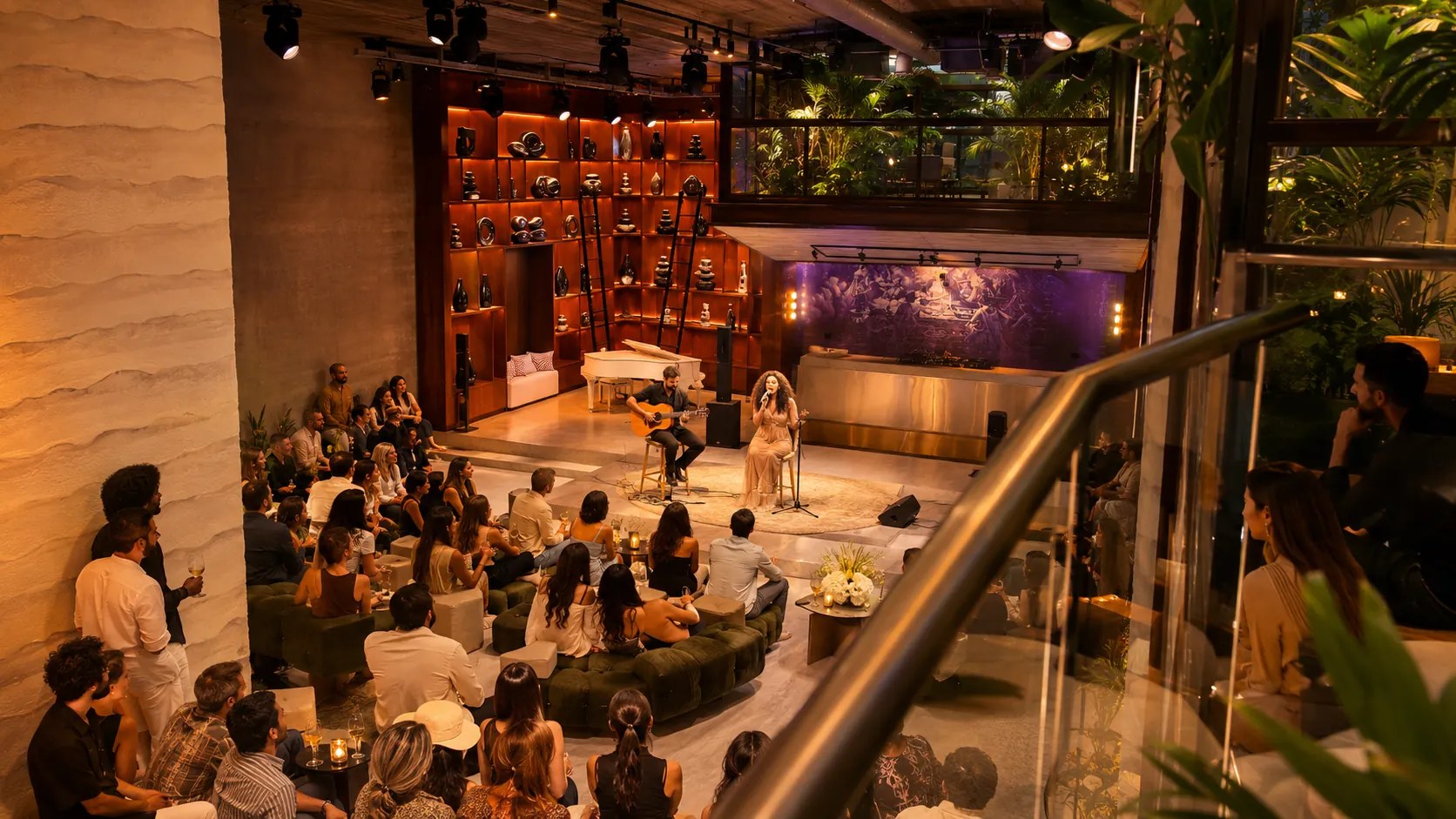
Musicians need lighting that suits their movement and permits them to see the parts they use during the set, particularly when a guitar change interrupts a song sequence. Ask the artist how they expect to move between pieces. The designer can rehearse that route with the actual instrument cases placed in their approved location. Seated pianists require a different position check from singers who move around the performance area.
For an acoustic passage, restrained visual movement can keep the audience's attention on the performer while warm light retains the surrounding house character. Changes can follow the artist's agreed musical cues. Someone's House's acoustic concert guide addresses the sound check and audience arrangements to be coordinated with this lighting rehearsal. The artist's approved set list remains the reference when the team discusses transitions between songs.
Video can capture behavior that looks different to someone watching the event live, so the recording team needs a test with the planned camera settings. ETC's technical guidance on LED flicker recommends checking real-world conditions and explains the relationship between exposure time and the light source's refresh rate. Actual rehearsal footage lets the operator assess that relationship at the planned camera settings. The camera operator can review a short test clip during setup.
If slow-motion footage is requested, test the intended frame rate while the lights run at the levels planned for the relevant scene. Full-brightness camera tests provide evidence for that specific state. The product demonstration may use a different level, which deserves its own recording check. Camera staff can approve the settings with the lighting technician after examining the saved footage on a suitable display.
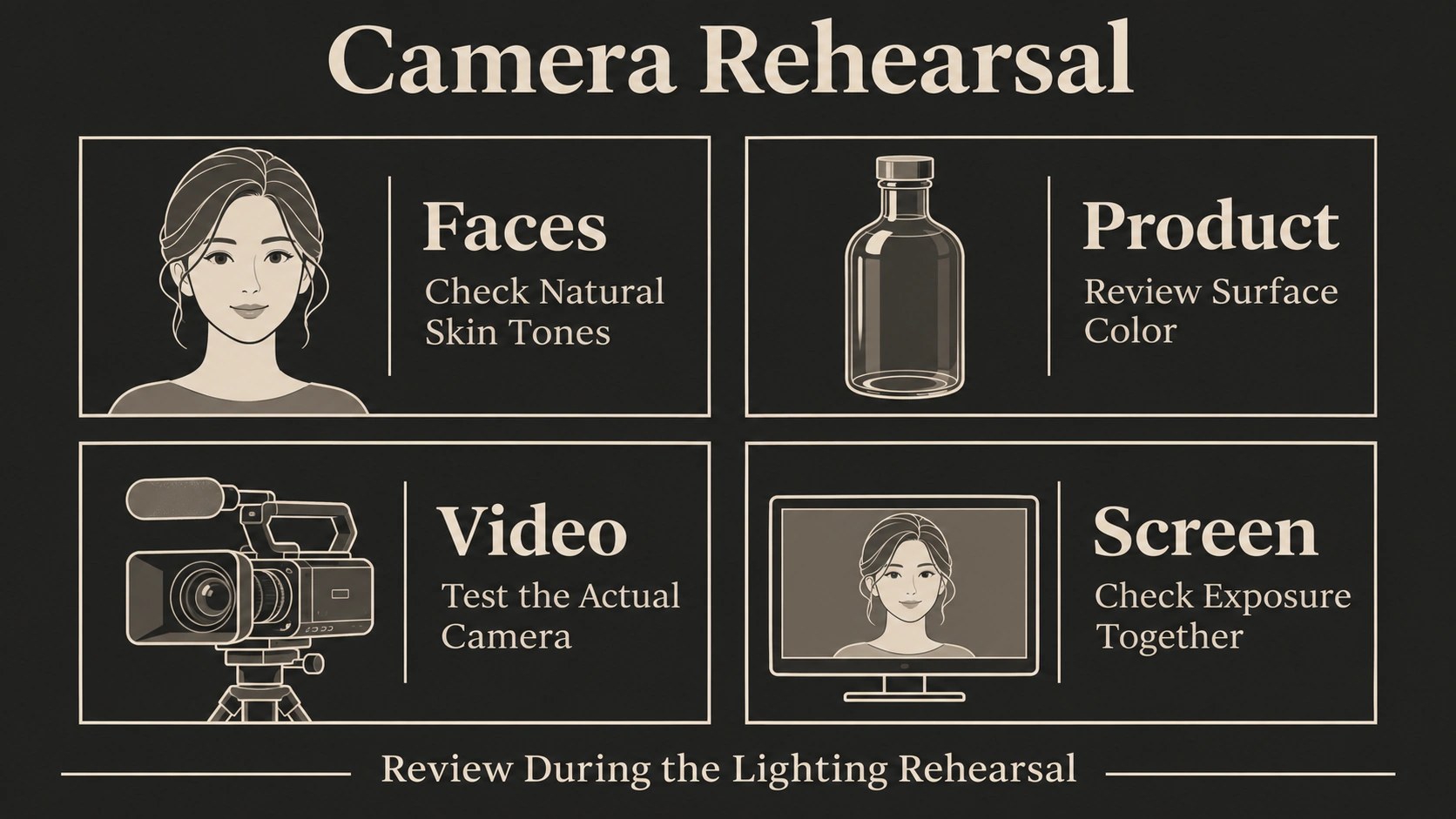
Presentation screens can become much brighter than a nearby face in the recorded image, so the screen content should be included in the lighting rehearsal alongside the presenter. Use the actual slides when the camera team sets exposure. White slides and dark video sequences may require different decisions during the test. The producer can agree on an acceptable relationship between readable content and the person's appearance in the image.
Camera staff should review the wide composition alongside any closer presenter shot, since both images may appear in the finished event film. Closer framing can exclude most screen content and still retain the speaker's expression. Wide images require a separate evaluation relative to the intended camera position. The agreed screen brightness can then remain consistent during that part of the program.
Guests continue to move between their seats and the surrounding areas during a private event, which makes circulation lighting part of the technical discussion. The venue team should review the proposed lighting states against the approved guest route. Decorative darkness needs to remain compatible with the venue's safety arrangements. Any temporary equipment placement requires approval from the team within the event plan.
Hosts should discuss requests involving rapid flashes with the production team early enough to agree on suitable effects and guest information for the proposed program. Calm lighting may suit a product conversation better than repeated high-energy changes. The venue team can confirm the conditions applicable to any atmospheric effect. Written approval should describe the actual effect requested for the event and the person responsible for its operation.
Production preparation needs time for the product test and the complete cue rehearsal within the agreed venue access period, particularly when visiting camera staff join the session. The quotation should identify any extra lighting work requested by the host. Creative direction and event-specific production can be discussed with the House team as part of the proposal. The final brief should name the person authorized to approve changes during the event.
Send the proposed program and expected attendance via the House booking page so the team can review how the lighting requirements align with the intended date. Include the product demonstration's needs in the event description. Artists can supply their performance requirements for the same discussion. Once the technical plan is agreed, the host can confirm the rehearsal schedule with everyone who needs to approve the lighting in person.