Blog


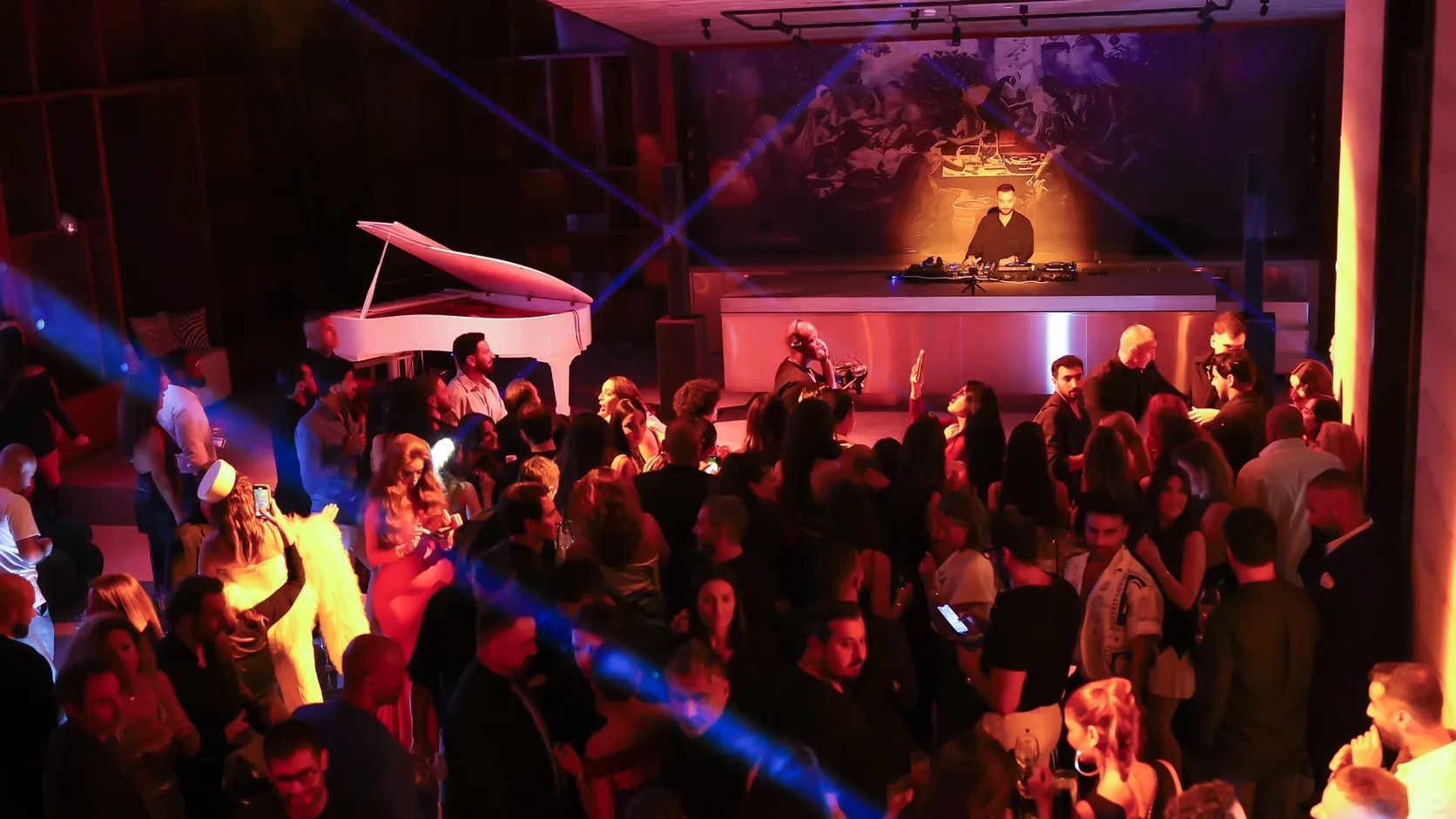
Guests tend to gather where they can see who has arrived, so the first people through the door can set the evening's pattern as soon as they settle in. If they stop beside the DJ booth, people arriving later may have to pick their way around that group. Long conversations can drift to the edge of the dance floor when the seats make the music difficult to talk over. Both problems are easier to solve on a floor plan than during the first track.
Your DJ needs to know how the night will feel at different points, especially if you want the party to begin with conversations and build toward dancing. The venue team needs the same sequence so they can review where the bar and dance floor belong. For a private DJ party in Dubai, plan the busiest point first and work back to the arrival.
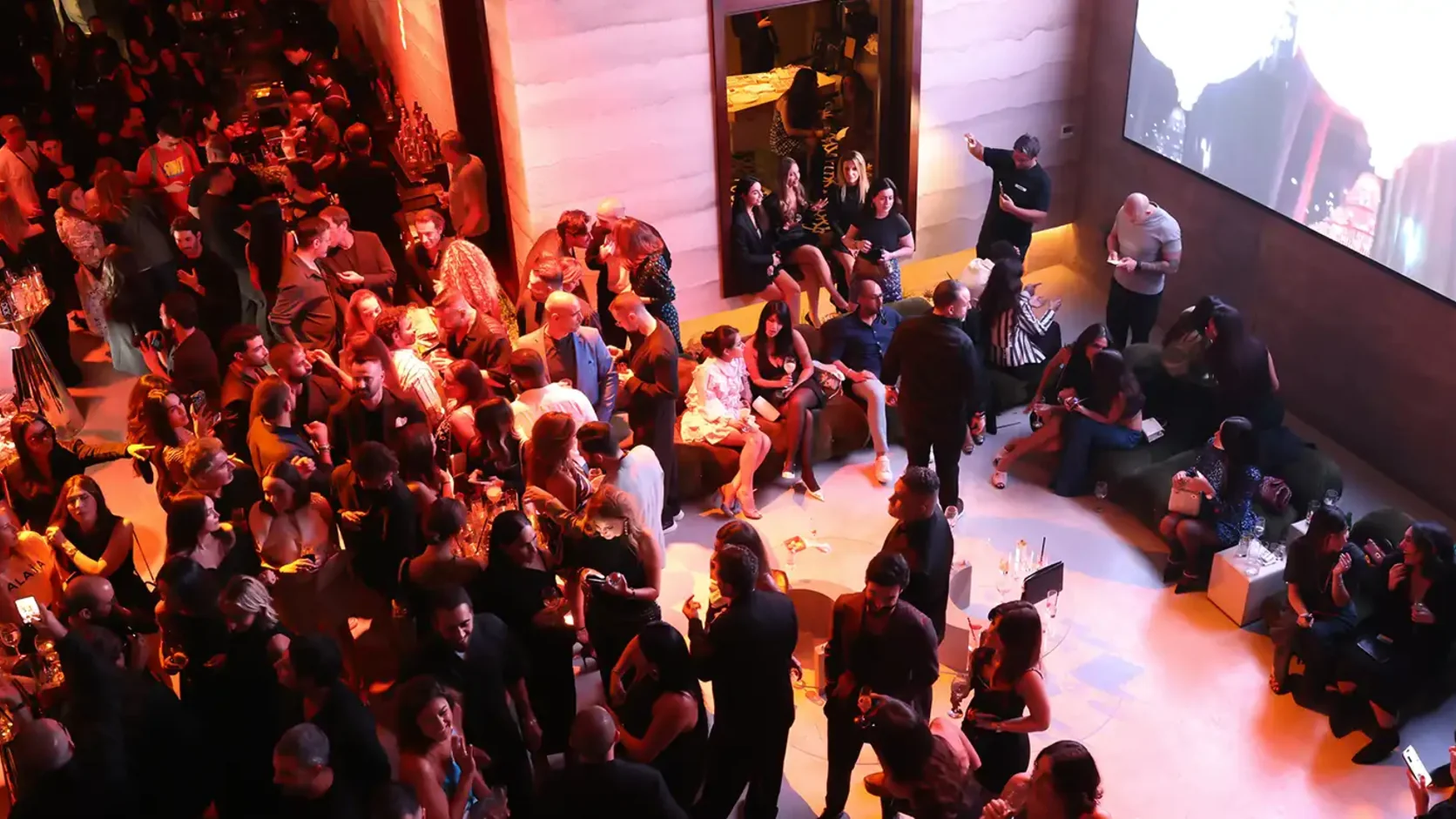
People are quicker to join their friends when the route to the dance floor is visible and they can reach it from different parts of the venue. Try walking the proposed path from the entrance and again from the main seats. If you pass directly in front of the DJ or cross the queue for the bar, move one element and walk it again.
The floor can feel empty when it has been sized for the entire guest list instead of the people likely to dance during the same track. Use your group as the guide. Some parties have a core of regular dancers who will use the floor for much of the evening. Other groups gather for a few songs and return to their seats. Plan for the densest point and leave a way for guests to come and go along the edge.

Bar queues tend to occupy more space when guests are deciding what to order or pausing to greet someone on the way back. Put the waiting area somewhere it can grow and still leave the main route clear. Ask the staff where they expect to move during service, especially when glasses are being collected while the main floor is busy.
Conversation seats work best when guests can hear the people beside them and still feel part of the party. Test one of those seats during the sound check to hear what guests will hear away from the DJ booth. Let someone speak at normal conversation volume. If the words are hard to hear, ask the sound technician whether a different seat position or a speaker adjustment would help.
The World Health Organization recommends that amplified music venues provide access to quieter areas where listeners can take a break. Your venue team can identify where such an area would work while protecting the route back to the party.
Your DJ should be able to see who has joined the dancers and how people are responding when the pace changes. Sketch the booth position with the technician and confirm where the equipment goes. Keep the approach accessible to the people working the event. Verify that the cables follow a protected path agreed with the venue team.
The booth height can affect the DJ's view as much as its position on the plan. Hosts who welcome song requests may want the DJ close to the guests. Settle where requests should go so guests know where to approach. If the DJ needs to work from a distance, agree on how the host will signal a change in timing.
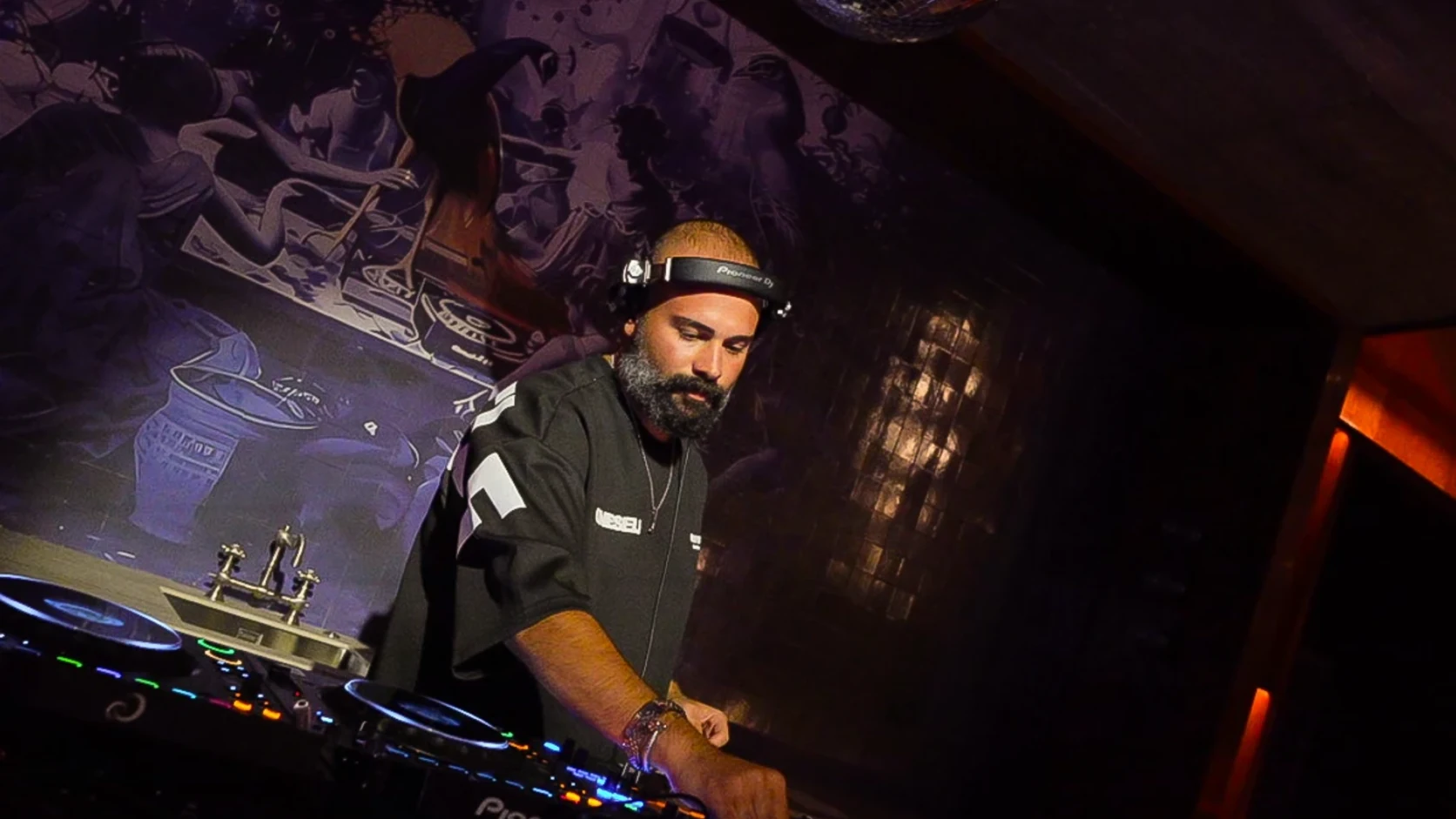
Select a track that resembles the dance set so the technician can hear what the system does when the bass and vocal are both present. Walk the dance floor and listen at its far edge. Visit the intended conversation seats. The test should include the microphone if the host plans to welcome guests or make a toast, since spoken words need to be understood where people will hear them.
The World Health Organization's guidance recommends monitoring sound levels with suitable measurement equipment during amplified events. Ask who will monitor the party and who can adjust the sound. Agree on what the DJ should do when the engineer asks for an adjustment. The venue can confirm what requirements apply to your particular hire.
The transition works when the people responsible for music and service know what has to happen at the same moment. If the host wants a speech, agree on the signal that lowers the music and the signal that returns it to the agreed level. Have the host speak from the actual position they will use, with someone listening from the far side.
Dinner furniture can change how people approach the dance floor. If the plan calls for moving anything, walk the change with the venue team during setup. Agree where chairs will go and who will move them. The aim is to keep the guest routes open while the new layout is prepared. Parties with dancing from the start can keep the same layout throughout and leave the crew free to attend to other tasks.
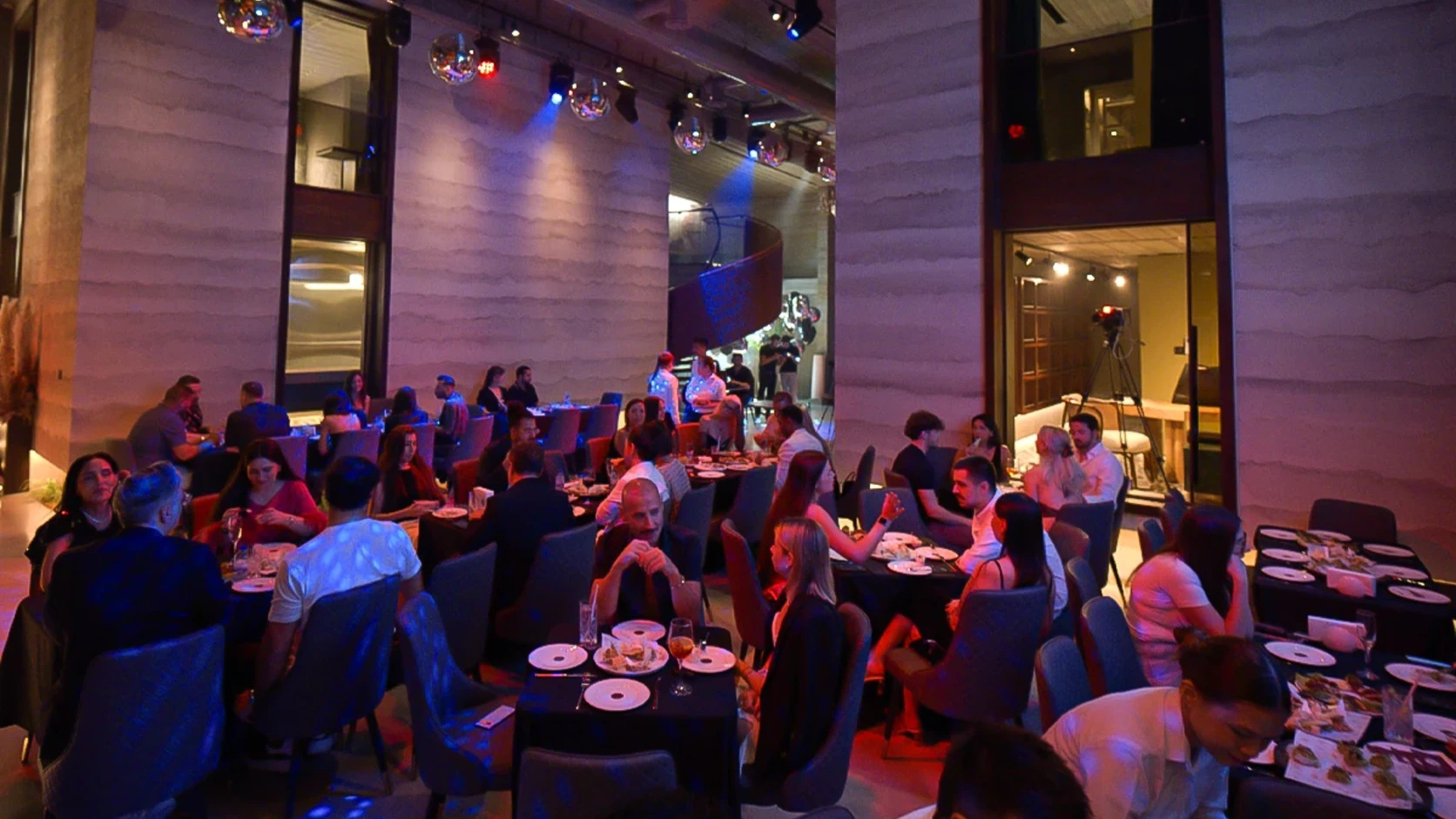
The lighting rehearsal should happen with the DJ booth set and the guest furniture in its planned positions so the crew can see how the space behaves. Look at the route from the entrance to the seats at the light level you expect to use once people are dancing. Ask the lighting lead to check that people can find the way across the venue on their own.
Test the microphone handover in that light as well. The person making the toast should be able to see where to walk and the host should be able to find the technician if the timing changes. If the event has a photographer, discuss where they can cover the floor and keep the guest route clear. Plan a clear place for them to work during the speech.
The sound level at the start deserves its own check when guests are expected to greet one another near the entrance. Play part of the arrival set and ask two people to have a conversation in the place where guests usually stop. Keep the chosen level in the running order so the DJ has a reference when the doors open. Save a separate setting for the dance set and confirm who tells the DJ when the party is ready for the change.
Guests who arrive after that cue should have a clear route to the host or the bar. Walk the route during the rehearsal at the intended dance level. Ask the team at the entrance what they will tell a late arrival and where they would send anyone who needs a quieter spot.
Your event contact can review the proposed layout faster when the drawing shows which furniture stays put and which pieces move when the music starts. Draw the dance floor's edge and show where the booth goes. Include the expected guest count and flag any change to the way people enter after dinner. The numbers on the invitation list and the dance floor plan answer different questions.
Send the latest version to the DJ and venue team once they agree on the setup. Share the same running order with the host so any change to the speech or first track reaches the person operating the sound. Name the person who decides to hold a cue when a guest of honor is late. The DJ then has one person to listen for during the set.
Someone's House in Al Quoz hosts private parties and dinners, and the team discusses both the layout and the sound plan as part of a booking. For a full-day exclusive hire, tell the team when you expect vendors to arrive and what kind of dance floor setup you want. Mention any planned speeches so they can review the microphone and sound checks with you.
Your venue walkthrough is a good chance to take a guest's seat and hear the proposed sound from that position. Ask the House team which areas suit the way you want people to move. Walk the route from the seats to the floor with your DJ or producer so the proposed layout reflects how the evening will work.