Blog


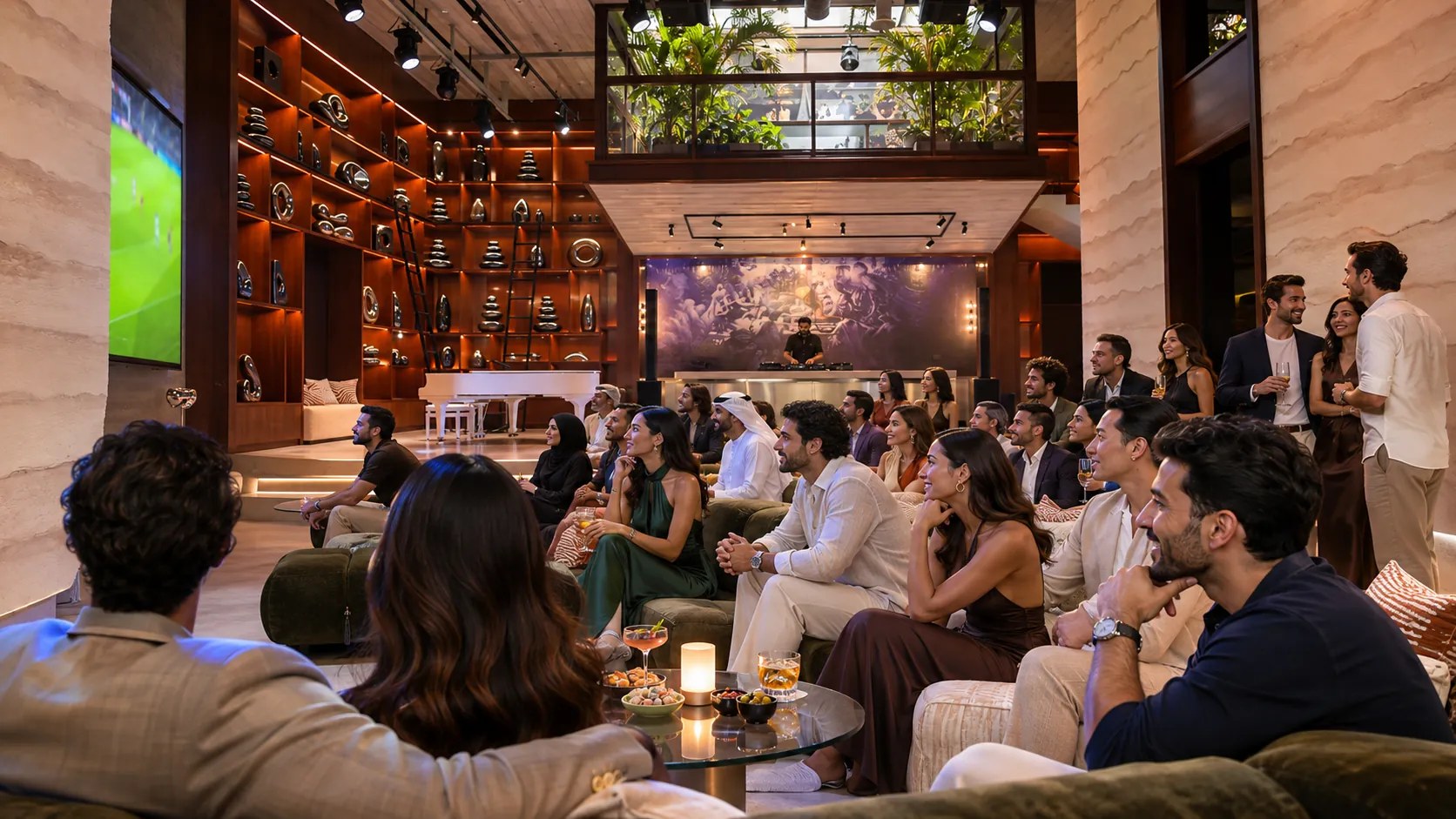
Plan a private sports screening in Dubai for invited guests. Review broadcast permission and viewing arrangements at Someone’s House on Al Khayat Avenue.
Your private sports screening in Dubai needs a confirmed broadcast arrangement and a venue booking that allows time for the match to finish. Guests may follow the same team, yet their expectations for the evening deserve a conversation: some want commentary throughout play; others arrive mainly to catch up with friends. Decide how the viewing and social periods will work together. Someone’s House offers an invitation-led setting in Al Quoz where a host can discuss a sports night for a chosen guest group.
The screening plan starts with the specific fixture and the intended audience, since access to a television channel establishes only part of the arrangement. Ask the broadcaster or authorized provider to confirm the permission applicable to your event. Describe the venue and guest count in that enquiry. Include any admission charge or commercial promotion, plus the proposed screen arrangement. Obtain written confirmation that addresses the actual event.
beIN’s business viewing information distinguishes commercial-establishment packages from public-viewing packages, which makes the proposed use worth discussing with its business team. For an invitation-only booking, seek a decision for that format instead of treating the word private as permission. The venue team needs to know who will supply the approved feed. Record any conditions that affect how it may appear during the gathering.
Corporate hosts sometimes want a sponsor’s logo beside the match, so include the proposed branding when checking the screening permission with the rights provider. Separate approval may apply to promotional material featuring competition imagery. Use the event’s own invitation design until the relevant permissions are confirmed. Describe the client evening in its own terms; official league associations require evidence.
Guests need a Dubai start time taken from the official fixture schedule, especially when the competition takes place in a country that changes its clocks. Write the local date beside the time. International listings sometimes place a late match on the following calendar day in the UAE. Recheck the organizer’s schedule close to the event and distribute any change through the invitation’s original contact channel.
Football illustrates why the final whistle needs more allowance than a simple ninety-minute calculation, even when the advertised kickoff remains unchanged. The IFAB match-duration rules provide for two forty-five-minute halves and additional time for interruptions. Half-time occupies a separate interval. For a knockout fixture, consult the competition’s rules for a possible extended finish. Ask the venue to review the resulting booking window ahead of the invitation date.
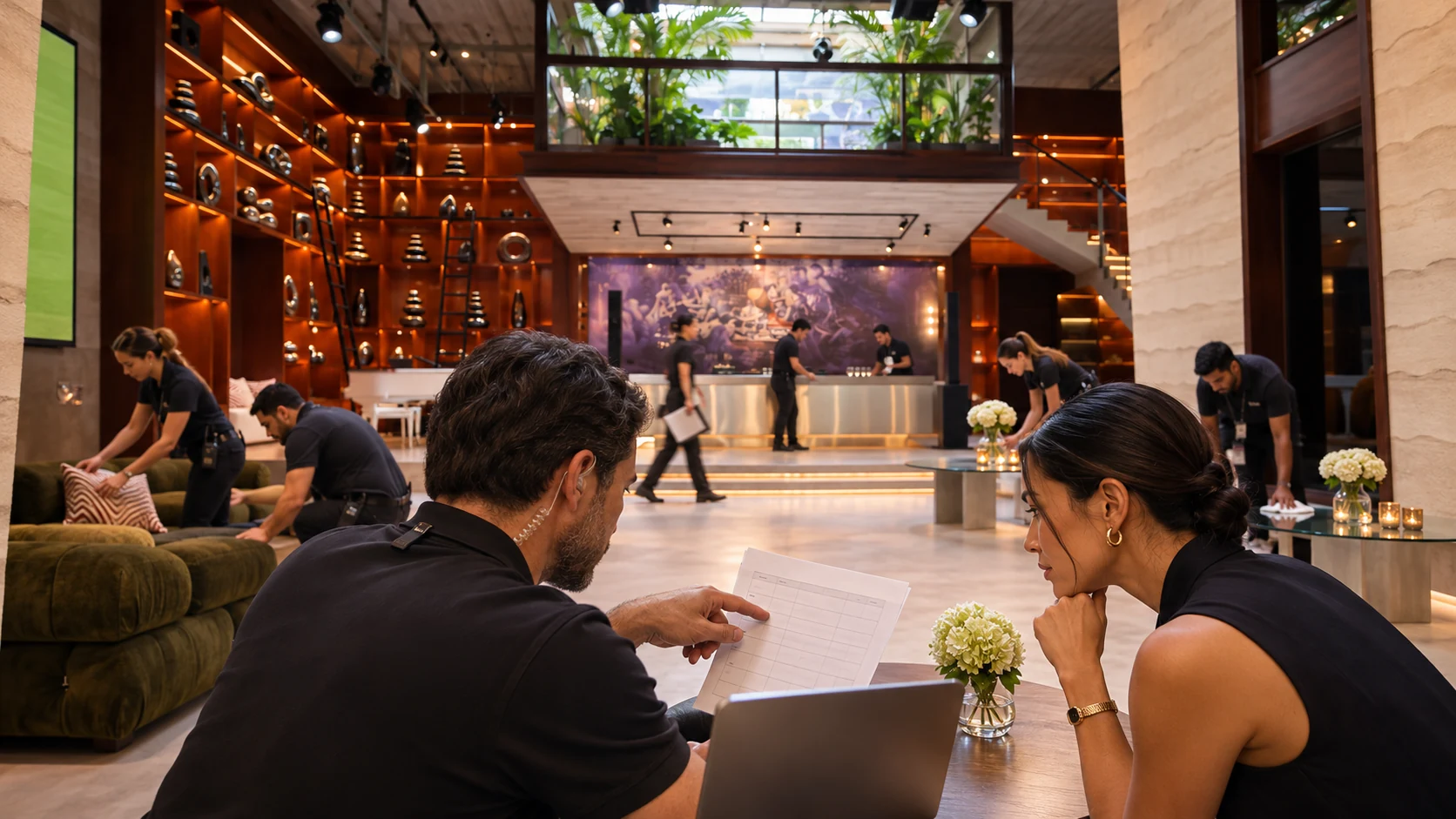
Someone’s House’s event terms place preparation and removal within the booked hours, so the viewing schedule needs space on either side of the broadcast. Discuss the latest permitted finish with the team. Confirm how an extension request would be handled if the fixture runs late. Keep the agreed departure time in the host’s schedule, alongside the technician’s final equipment check.

The guest count needs to suit the proposed viewing layout, with enough usable seats for people who expect to follow the entire match. Review the furniture arrangement with the venue team. Walk to the seats furthest from the screen and inspect a sample image from that position. Read the scoreboard and follow a small moving object on the display. Aisle space needs a separate check once the chairs are occupied.
For a football evening, a guest beside the main aisle may repeatedly lose sight of play as people return with refreshments during the match. Route that movement behind the viewing seats where the actual layout permits it. Ask the venue team to demonstrate the approved route. Maintain access for guests who need assistance and discuss suitable seating with them ahead of arrival.
Conversation deserves somewhere to continue during play, particularly for a corporate guest group whose interest in the fixture varies between attendees. Discuss which areas included in the booking suit that use. Keep the commentary audible in the viewing area and agree on a suitable level with the technician. Guests then have a clear choice between following the match and talking with their hosts.
The technician needs to test the actual authorized source with the proposed display connection, ideally during a comparable broadcast from the same provider. Request confirmation of the permitted playback arrangement. Check the picture’s proportions and the commentary language. Any additional receiver or device requires venue approval. Successful playback on a personal phone provides limited evidence for the event’s final setup.
If the event uses several approved displays, compare their images during rehearsal to identify any delays between viewing areas. Ask the operator to resolve a noticeable mismatch using the agreed distribution arrangement. Guests hearing a celebration elsewhere ahead of the goal on their own screen would lose the shared timing that makes a watch party enjoyable. Test commentary through the intended sound system at the same session.
Technical preparation is handled by the people authorized to operate the venue’s equipment, while the host supplies the event requirements and confirms the audience’s preferences. Someone’s House requests approval for outside equipment in its event terms. Send the proposed connection details to the team ahead of the booking. Installed equipment models and internet performance require direct confirmation for the particular screening.
The host needs a short interruption plan agreed with the technician that specifies who updates guests while the operator checks the approved feed. Explain only what the team has verified. Ask the provider which recovery options the event permission allows. Keep any alternative source within that approval. Replacement streams may have different rights or technical requirements.
Weather delays and fixture changes need a separate decision from equipment faults, since the host may still have guests arriving for the booked evening. Agree on a social format that fits the existing reservation. Confirm the food arrangements if the broadcast is moved to a later hour. For corporate invitations, name the person who will send the revised plan and maintain the guest replies.
The invitation deserves accurate language for a live event whose schedule can change, particularly when travel arrangements depend on the expected finish time. Tell guests the scheduled viewing time and the venue’s agreed access period. Explain how they will receive a material update. Reserve promises concerning refunds or replacement dates for terms actually agreed with the relevant providers.
Food service works best when its timing respects the audience’s interest in the game, so review the proposed service with whoever is responsible for hospitality. Substantial food ahead of kickoff leaves guests free to settle into their seats. While play continues, use a service arrangement that keeps movement away from the screen. Discuss any table placement with the venue team as part of the layout review.
Half-time may look like a convenient dinner slot, but its short duration calls for a realistic decision based on the menu and guest count. Use it for refreshments that the hospitality team can distribute within the available interval. Longer seated meals belong in a separate portion of the evening. Confirm dietary requests with the food provider and identify the host contact for any late changes.
Someone’s House describes food service as an option to discuss in its private film-and-sports-viewing article, alongside an agreed-upon outside culinary team. Ask for the arrangement that suits your gathering. Include supplier access in the schedule. Costs and staffing should be included in the written event agreement, with any additions confirmed for the chosen date.

Hosts need an attendance record that includes confirmed companions, especially for a fixture likely to attract last-minute interest among friends. Ask guests to reply with their intended attendance. Share the confirmed roster through the venue’s agreed process. Late additions require a seat within the approved layout; decide who will confirm those requests with the venue.
For a client gathering, arrive early enough within the agreed access period to greet guests and introduce people who share a business interest. Keep any company welcome brief and schedule it ahead of the broadcast. Discuss the event’s photography plan with invitees. Permission to attend and permission to appear in promotional photographs deserve separate treatment, particularly where a guest’s employer has its own policies.
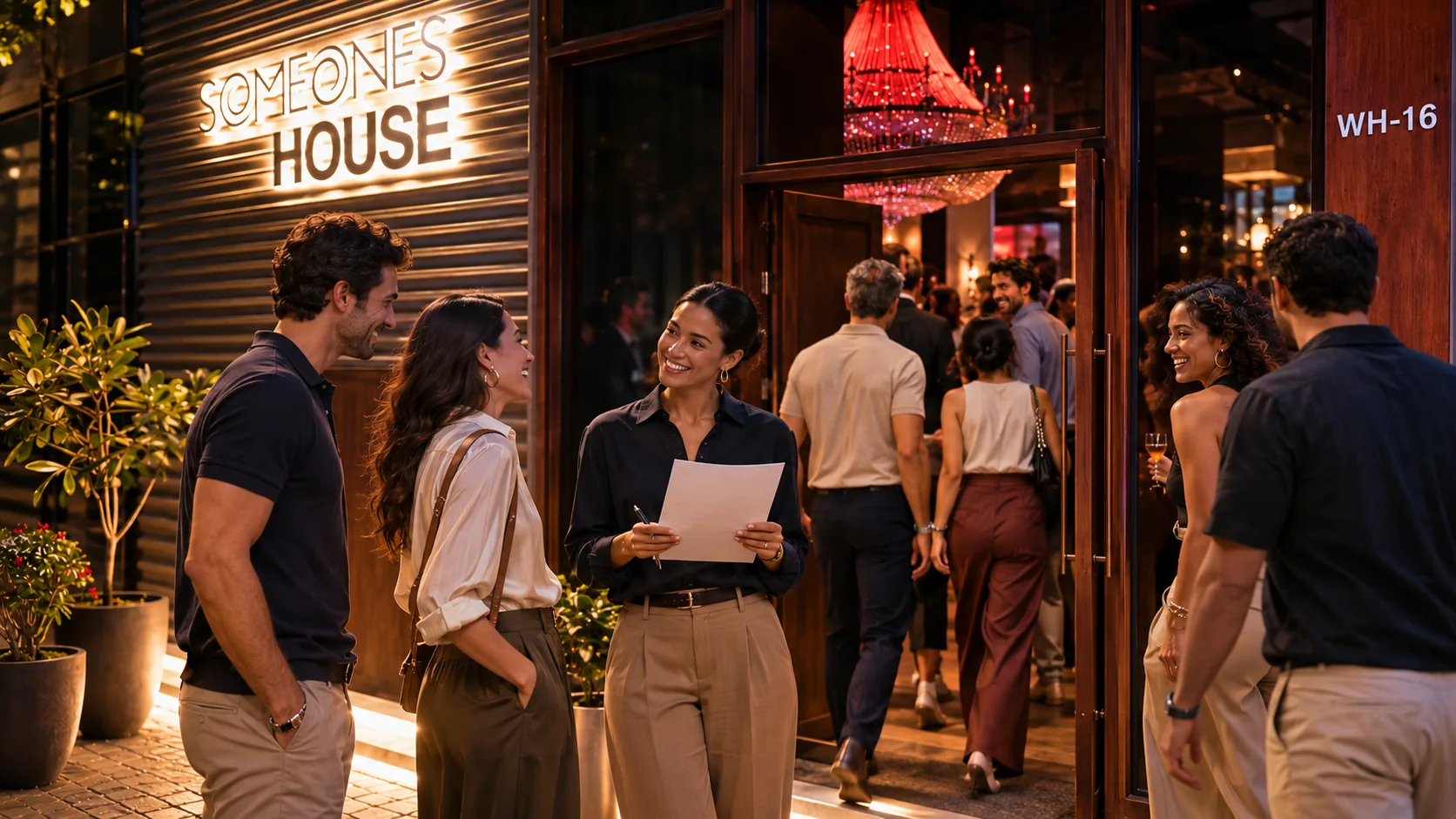
Someone’s House provides a private-event address on Al Khayat Avenue in Al Quoz, with sports viewing among the formats described on its website. Send the fixture and proposed date through the venue inquiry page. Include the guest count and preferred viewing arrangement. Explain who is confirming the broadcast permission so the team can review the technical requirements against the booking.
The final discussion should settle the rehearsal access and viewing period, with the hospitality schedule checked against the likely finish. Ask the team to confirm the approved layout in writing. Retain the provider’s screening confirmation with the event records. Once those details are agreed, send guests the Dubai arrival time and the specific fixture they are coming to watch.