Blog


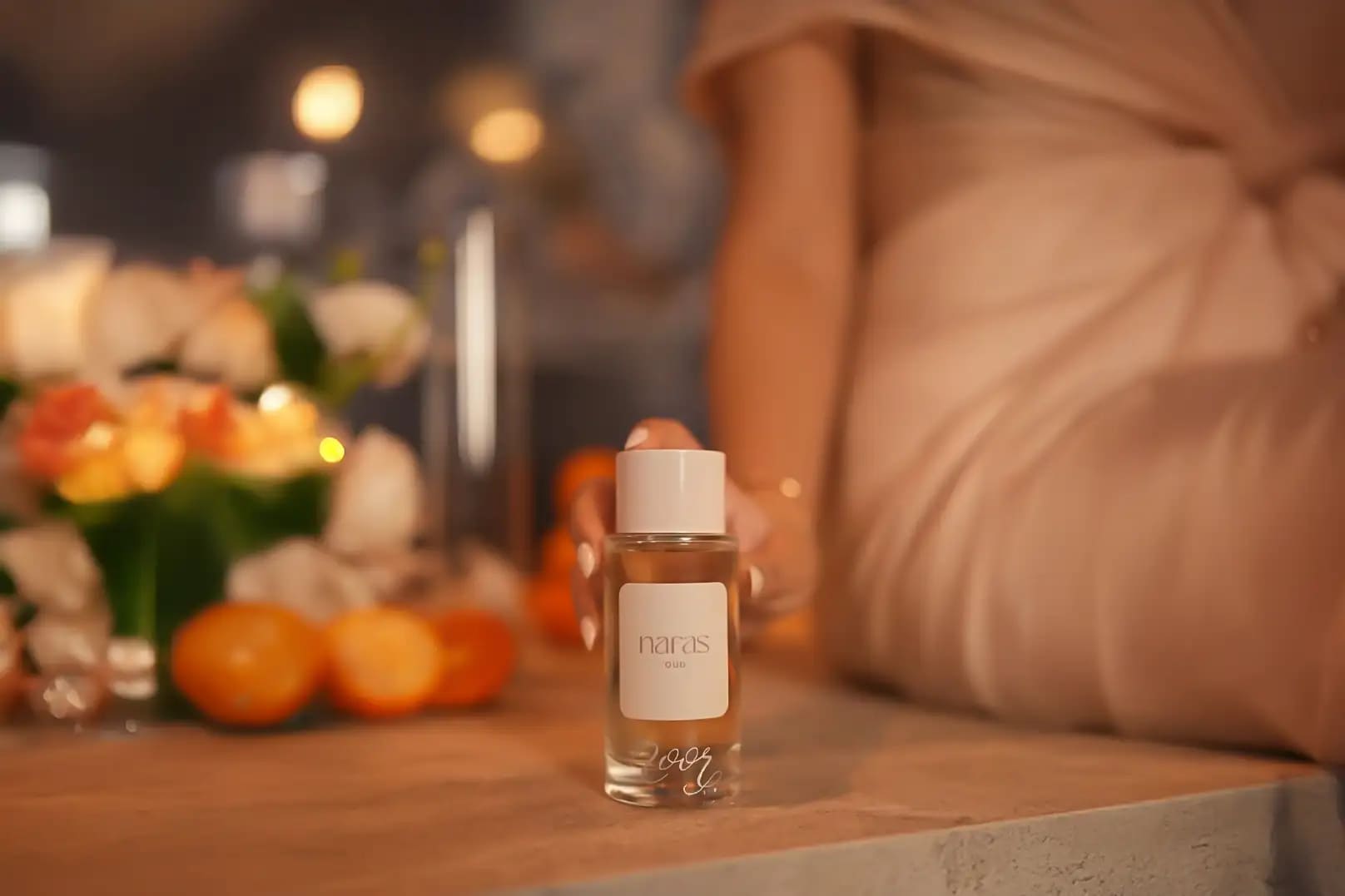
Plan a product launch event in Dubai with a practical checklist for guests, budget, venue, media, AV, content, registration, and launch-day timing.
Presenting a product to real humans, sensing their energy and witnessing their expressions, offers a far more visceral and immediate sensation than simply sending an email or broadcasting a campaign post. Months of work meet a guest list in one evening, and suddenly, small decisions matter a lot. Your product launch event checklist gives everyone involved one shared plan for guests, timing, media, technical needs, food, and the product itself.
There are plenty of places to hold an event in Dubai. The harder part is finding a place and a plan that fit the product. Someone’s House gives brands a private event venue at Al Khayat Avenue in Al Quoz, with a residential character and advanced live-event technical systems.
Start with the event goal. Decide what guests should know about the product when they leave. Then list the people, timing, venue, technical needs, media plan, food, registration, and follow-up.
Keep the checklist useful. Long checklists that sit unread in a shared folder help very little. A working list with owners and deadlines usually gives the team far more value.
One person should know who owns the guest registration. Another should own the screen content. Somebody should know when the product arrives. Somebody else should know when the photographer arrives.
Small details become much easier once a name sits next to them.
Guest lists shape product launch events more than decoration ever can.
Think about who genuinely needs to be there. Clients may matter most for one launch. Media and creators may matter more to each other. Buyers, partners, investors, or internal leaders can also have a clear reason to attend.
Invite people with a purpose.
Smaller guest lists with real interest often create better conversations than much larger lists built around numbers alone. The person who can buy the product, write about it, recommend it, or introduce it to the right audience has far more value than another name on an attendance report.
Budget decisions become easier when the team separates essentials from optional additions.
Venue hire usually comes first. Then consider food, technical work, photography, video, staffing, entertainment, branding, and transport needs. Media support may need its own line as well.
Keep a reserve for late changes. Product launches often pick up extra needs during the final week, especially around guest numbers and technical requests.
Budget conversations also become easier when the team knows what success means. A press-driven product launch will spend differently from a client-led corporate product launch. A launch party may put more money toward music and hospitality.
Spend according to the job the event needs to do.
Work backward from the event date.
Venue booking and guest planning should happen early. Media outreach and supplier booking need enough lead time. Technical files, screen content, music, and presentation material should reach the venue team ahead of event day.
Set internal approval dates, too.
Brand teams lose valuable time when copy, visuals, or guest lists stay open for weeks. Clear deadlines help everyone work with less pressure.
Your product launch timeline should include supplier arrival and technical checks. Guest registration and photography timing belong there, too. Add the main product presentation time and any media interviews.
People work better when they know what happens next.
The venue should make sense for the product and the people invited.
Private technology previews may need screens and strong Wi-Fi. Beauty launches may need close product viewing and content areas. Fashion or fragrance launches may need a social setting where guests can move between the product and conversation.
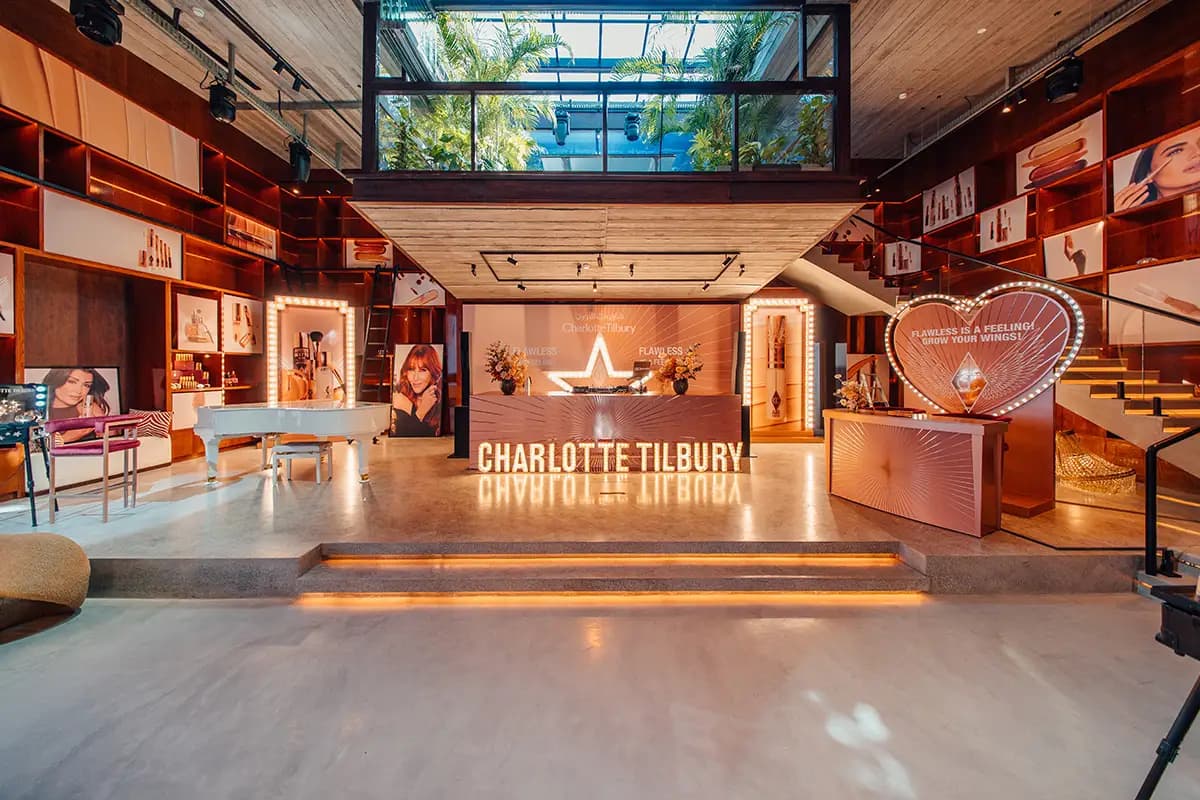
Someone’s House is a private event venue in Al Khayat Avenue, Al Quoz. The venue supports brand launches, press events, fashion presentations, screenings, and selected corporate programs.
The residential character also gives brands another way to host people.
Guests can meet a product in a setting that feels closer to a private invitation than a standard corporate event.
Put the product first.
Guests should know where to look when they enter. Product placement should feel natural, and the main presentation area should be easy to see. Registration and media areas should support the product. Food and conversation areas should do the same.
Think through guest movement from arrival to the main presentation.
Then plan what happens after the key product moment.
Good layouts help people stay engaged because the evening feels easy to follow. Guests should never need to guess where the main product is or when the presentation begins.
The main product moment is deserving of a clear idea.
Founder speeches can work well when the story matters. Campaign films can work when the product needs visual context. Live demonstrations can give guests a direct reason to care.
The right choice depends on the product and audience.
Keep the message easy to understand.
Guests should know what changed and why the product matters. They should also understand what they are looking at.
Good storytelling usually has more impact than a long presentation packed with information.
Branding should help guests understand the event instead of covering every surface.
Welcome screens can introduce the company and product. Product display areas can give guests a closer look. Press areas can support interviews and photography. Printed material can give buyers or media useful information to take away.
Someone’s House can support brand launches and press events. The venue’s residential character also gives companies a setting that feels more personal than a standard corporate hall.
Give the product enough space.
People should be able to approach it and ask questions. They may want to photograph it too.
Technical planning deserves real time.
Check screen needs and sound playback. Review microphones and video files. Confirm presentation connections and lighting cues. Wi-Fi requirements should also be discussed.
Ask who owns each technical task.
Set a test time ahead of guest arrival.
Someone’s House has advanced live-event technical systems and can support selected launch formats. Exact technical needs should be shared with the venue team so the setup can follow the event brief.
Technical tests may feel boring during planning.
They feel incredibly valuable five minutes before the main presentation.
Products often become easier to understand when people can try them.
Technology launches may use demo stations. Beauty brands may offer guided trials. Food products may work through tastings. Fashion products may benefit from close viewing and conversation with the brand team.
Give guests enough time with the product.
Staff should know the key facts and common questions.
Good demonstrations feel like conversations. Guests can ask something real and receive a useful answer. That interaction often does more for a launch than another speech.
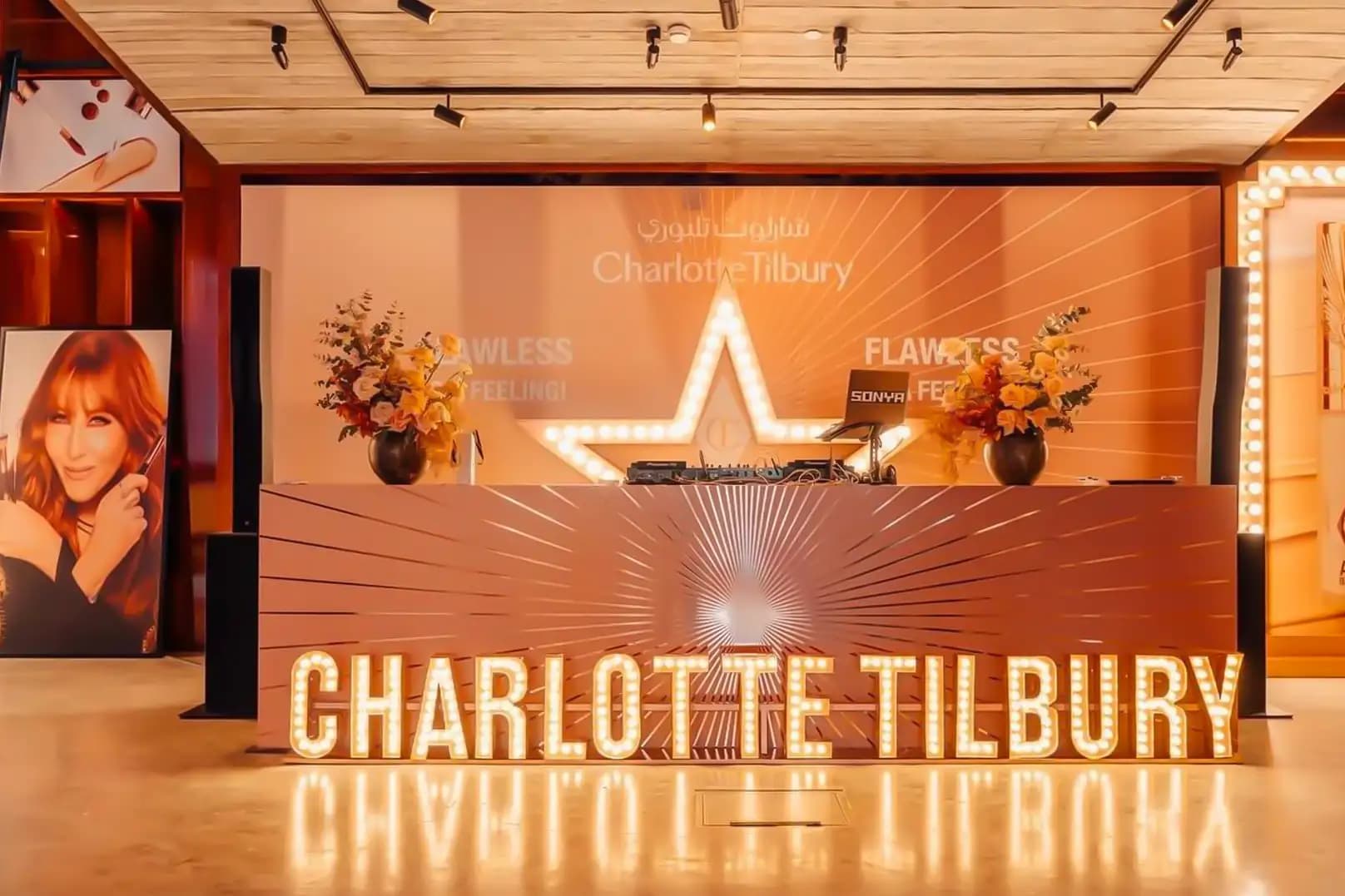
Media and creator invitations need context.
Tell people what the product is and why the launch matters. Give them useful timing information and a clear contact person.
Press guests may need interview access.
Creators may need time for photos or short videos.
Choose people whose audience or professional role fits the product. Relevance usually creates better coverage than a long invitation list.
Influencer event Dubai planning works especially well when creators know what they can film and where they can spend time with the product.
The event kicks off before guests show up.
Photographers can record product details and guest arrivals. Video teams can record key speeches and demonstrations. Social teams can prepare short clips during the event.
Create a simple shot list.
Include the product and spokesperson. Add guests and product displays. Key event moments deserve a place on the list, too.
Brand teams can use the material for follow-up posts and future campaigns. Launch event photography often becomes useful long after event day because the content can support PR and sales.
Arrival sets the tone fast.
Guest lists should be ready. Hosts should know who handles check-in. VIP guests or press may need a separate contact. Valet or parking information should reach guests ahead of the event.
Keep registration quick.
People came for the product and the people around it. The entry process should help them reach both with ease.
The event logistics Dubai teams plan should also cover supplier timing and media arrival. Product delivery and technical access deserve the same care.
Event day needs a short list of people who can actually use it.
Confirm guest count and supplier arrival.
Check screens and sound.
Review presentation timing and the product area.
Confirm food timing and staff roles.
Keep media contacts ready.
Run the main product presentation once ahead of guest arrival. Then let the team work from the agreed schedule.
One final briefing can save twenty small conversations later.
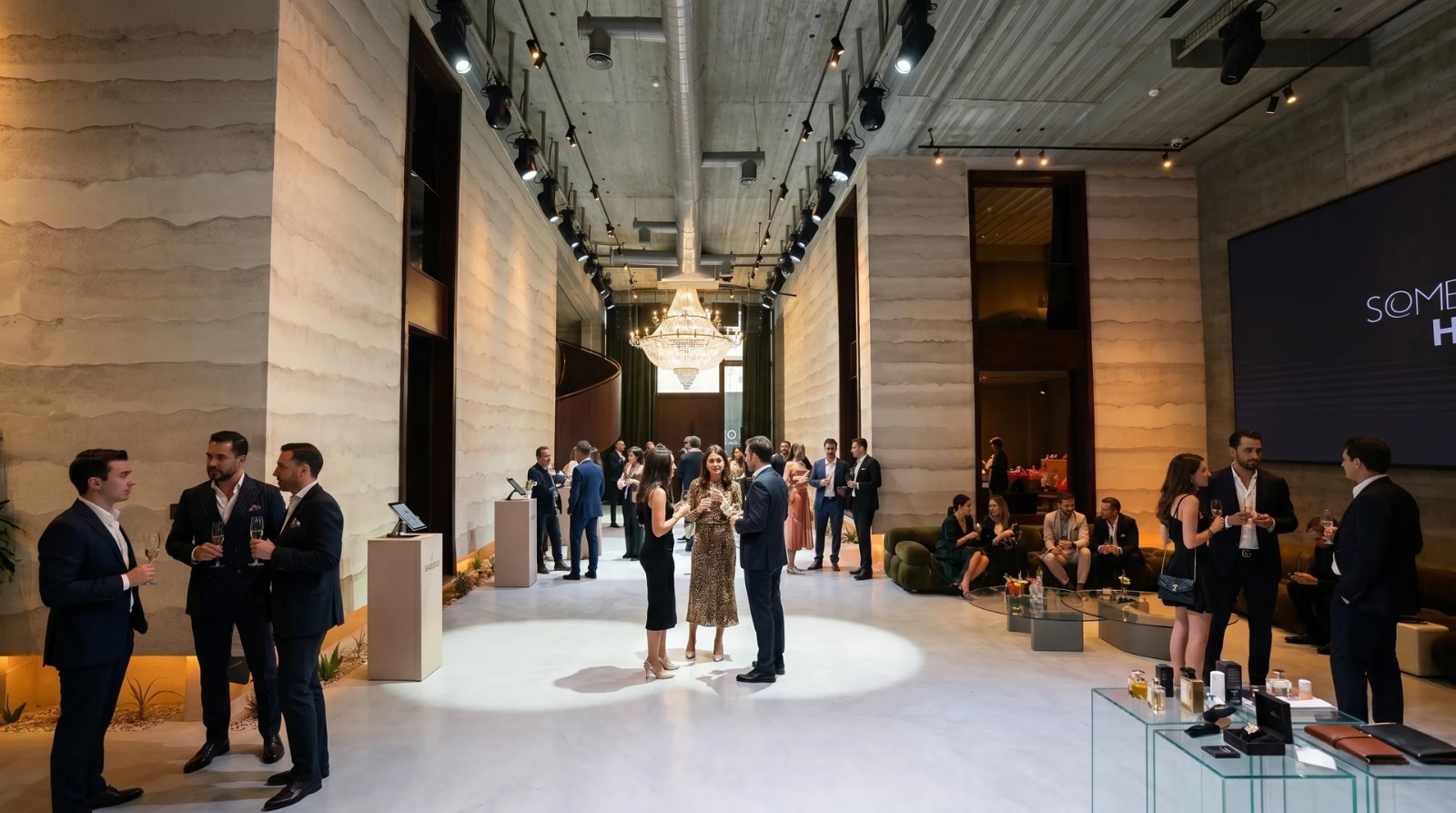
Someone’s House is a private event venue in Al Khayat Avenue with a residential character and advanced live-event technical systems. Suitable formats include brand launches and press events. Fashion presentations and corporate receptions can also fit the venue.
The house setting gives brand teams a different way to host people.
Guests can meet the product in a private environment that feels warmer than a standard business venue. The technical setup supports the practical side, while the residential setting keeps the event social.
For Dubai brands, that balance can work especially well when the guest list matters and the product benefits from closer conversation.
A good launch gives people something worth talking about after they leave.
Planning gives that conversation a better chance to happen.